
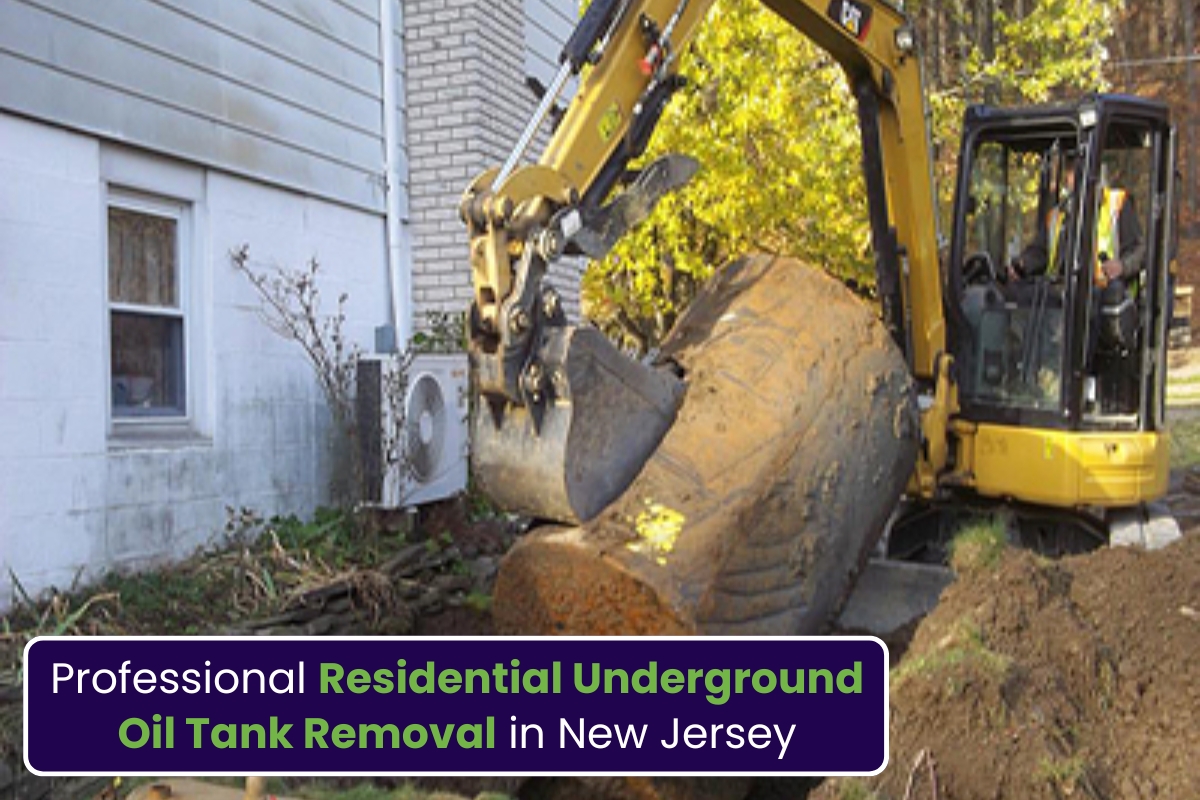
Underground oil tanks were commonly installed in residential properties decades ago to store heating oil. While these tanks once served as a reliable energy source, many have now reached the end of their lifespan. Old tanks can corrode, leak, and contaminate surrounding soil, creating environmental risks and potential property value issues.
Because of these risks, property owners increasingly rely on professional services for residential oil tank removal. Licensed experts follow strict safety procedures, environmental regulations, and specialized removal techniques to ensure the process is completed properly.
In this guide, we will explain how professionals safely remove underground oil tanks from residential properties, what steps are involved, and why hiring experienced contractors is essential.
Why Removing Old Underground Oil Tanks Is Important
Many underground heating oil tanks installed in the 1950s–1980s were made of steel. Over time, steel tanks naturally corrode when exposed to soil moisture and environmental conditions. Once corrosion begins, small cracks can develop and allow oil to leak into surrounding soil.
These leaks can lead to several problems for homeowners:
-Soil contamination around the tank area
-Environmental hazards that require remediation
-Reduced property value during home sales
-Legal and regulatory concerns in some areas
For these reasons, homeowners often schedule Oil Tank Removal in New Jersey when upgrading heating systems, preparing a property for sale, or addressing aging infrastructure.
Professional removal ensures the tank is extracted safely while preventing further environmental impact.
Initial Property Inspection Before Residential Oil Tank Removal
Before any work begins, experienced technicians conduct a detailed inspection of the property. This evaluation helps determine the tank’s exact location, size, and condition.
During the inspection phase, professionals typically:
-Use tank locating equipment or historical property records
-Identify potential soil contamination risks
-Review environmental guidelines and permits
-Evaluate accessibility for excavation equipment
This preparation stage is critical because it helps contractors design a safe and efficient underground oil tank removal process. Proper planning minimizes unexpected complications during excavation.
In many cases, contractors also review local environmental regulations to ensure every step meets compliance standards.
The Underground Oil Tank Removal Process
Removing a buried heating oil tank requires specialized procedures to ensure safety and environmental protection. The underground oil tank removal process typically follows a structured sequence.
1. Site Preparation
The removal area is marked and secured to prevent accidental damage to nearby utilities or landscaping. Contractors also prepare safety barriers and protective equipment.
2. Tank Pumping and Cleaning
Before excavation begins, any remaining oil or sludge inside the tank must be safely removed. Professionals use pumping equipment to extract fuel and dispose of it according to environmental guidelines.
Cleaning the tank helps reduce fire hazards and contamination risks during removal.
3. Excavation Around the Tank
Heavy equipment or manual excavation is used to carefully expose the underground tank. Contractors dig around the tank while protecting nearby structures, foundations, and utility lines.
4. Tank Removal
Once the tank is fully exposed, lifting equipment is used to remove it from the ground. The tank is then transported to an approved recycling or disposal facility.
5. Soil Testing
After removal, soil samples are collected and tested to ensure no oil contamination remains. If contamination is detected, remediation procedures may be required.
This structured approach ensures safety while minimizing environmental impact.
Environmental Protection and Soil Safety
Environmental protection is one of the most important parts of oil tank removal. Even small leaks can create long-term contamination issues if not addressed quickly.
Professional oil tank removal contractors follow strict environmental guidelines to protect surrounding soil and groundwater.
Key safety measures include:
-Using containment systems during removal
-Preventing fuel spills during pumping
-Conducting soil testing after excavation
-Properly disposing of tanks and fuel residue
These precautions ensure that properties remain environmentally safe after the tank removal process.
Understanding the Underground Oil Tank Removal Cost
Homeowners often ask about the underground oil tank removal cost before scheduling the service. While prices vary depending on property conditions, several factors influence the overall cost.
Common factors include:
-Tank size and capacity
-Depth of the underground tank
-Accessibility for excavation equipment
-Soil contamination or remediation needs
-Local disposal and recycling fees
In many cases, residential tank removal projects follow a fixed pricing structure that includes excavation, tank removal, soil testing, and disposal.
Working with experienced contractors helps ensure homeowners receive accurate estimates and avoid unexpected costs during the project.
Choosing Reliable Oil Tank Removal Contractors
Selecting the right professionals is critical when removing underground heating oil tanks. Experienced oil tank removal contractors understand environmental regulations, safety procedures, and excavation techniques required for residential properties.
When choosing a contractor, homeowners should look for:
-Proper licensing and insurance
-Experience with residential oil tank removal projects
-Knowledge of environmental regulations
-Clear project estimates and timelines
Qualified professionals ensure that the removal process is completed safely while protecting both the property and the surrounding environment.
When Should Homeowners Consider Oil Tank Removal?
There are several situations where removing an underground oil tank becomes necessary.
Common reasons include:
-The tank is over 30–40 years old
-The property is being prepared for sale
-A heating system upgrade is planned
-Signs of leakage or corrosion are present
Many homeowners schedule Oil Tank Removal in New Jersey during property upgrades or real estate transactions to prevent future environmental liabilities.
Removing aging tanks early can prevent larger and more expensive problems later.
Benefits of Professional Residential Oil Tank Removal
Hiring professionals offers several important advantages compared to attempting removal without expertise.
Environmental Compliance
Professionals understand environmental regulations and ensure all procedures meet state guidelines.
Property Value Protection
Removing outdated tanks can increase buyer confidence during property sales.
Safety and Risk Reduction
Experts use proper equipment and procedures to avoid accidents or environmental hazards.
Efficient Project Completion
Experienced crews complete the work quickly while minimizing disruption to the property.
These benefits make professional services the safest option for handling underground oil tanks.
Summary
Removing aging underground oil tanks is an important step for protecting residential properties, the environment, and property value. The process requires careful planning, proper equipment, and strict safety procedures.
From inspection and excavation to soil testing and disposal, trained professionals manage each stage of the project to ensure environmental protection and regulatory compliance.
For homeowners dealing with older heating oil systems, scheduling Oil Tank Removal in New Jersey helps prevent leaks, eliminate environmental risks, and maintain a safe property.
Working with experienced contractors ensures the tank removal process is handled efficiently and responsibly.