
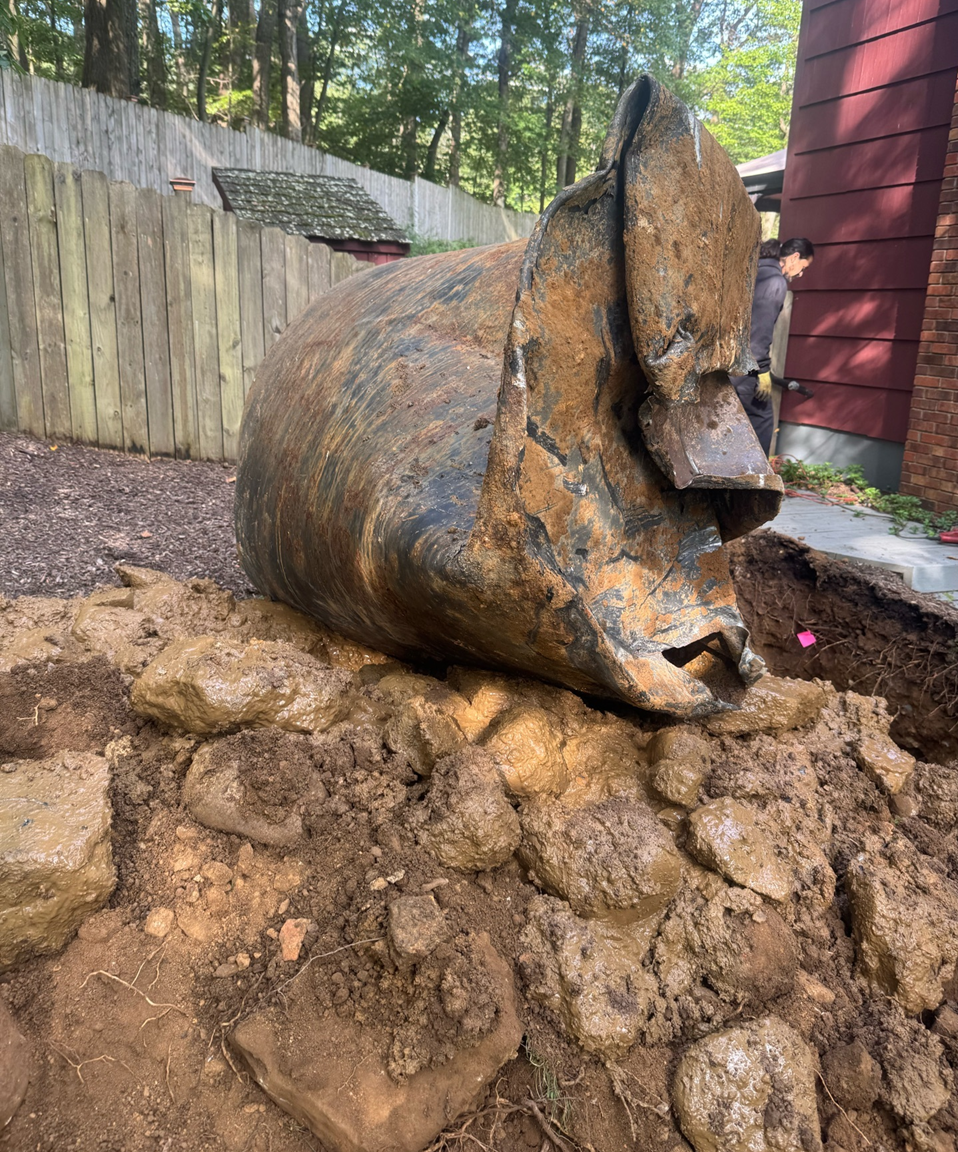
If you live in New Jersey and have discovered an old oil tank buried underground or sitting in your basement, it’s crucial to handle it properly. Old and unused oil tanks can become serious liabilities—posing environmental, financial, and even legal risks. Whether your home once relied on oil heating or you recently bought a property with a tank on-site, understanding how to remove or decommission it safely is essential. This guide explains everything New Jersey homeowners need to know about safely and legally getting rid of an old oil tank while ensuring compliance with state regulations.
Why Removing an Old Oil Tank Matters
Oil tanks, especially older steel models, tend to corrode over time. When this happens, leaks can occur—seeping oil into the soil and groundwater. This not only causes environmental damage but can also lead to thousands of dollars in cleanup costs. In some cases, homeowners even face property devaluation or difficulties selling their home due to the potential contamination risk.
Here’s why timely removal is essential:
- Environmental Protection: Leaking tanks contaminate soil and water, harming ecosystems and nearby properties.
- Home Value Preservation: A property with an old or unregistered tank may raise red flags during inspection, discouraging potential buyers.
- Legal Compliance: New Jersey has specific regulations on oil tank abandonment, removal, and cleanup. Non-compliance could lead to penalties or liability for environmental damage.
Step 1: Identify the Type and Location of Your Oil Tank
Before taking any action, determine whether your tank is above-ground or underground (UST).
- Above-Ground Tanks (ASTs): These are usually located in basements, garages, or near the property. They’re easier to inspect and remove.
- Underground Storage Tanks (USTs): Common in older NJ homes, USTs are buried and require professional inspection to assess integrity and leakage.
You can often locate an underground tank using property records, old heating invoices, or through professional tank detection services.
Step 2: Hire Licensed Professionals for Inspection
New Jersey law mandates that oil tank work—especially involving underground tanks—must be handled by certified contractors. A professional inspection includes:
- Checking for leaks or corrosion
- Soil sampling to detect contamination
- Assessing the tank’s structural integrity
Hiring experts who specialize in oil tank services in New Jersey ensures that every step is done safely and in compliance with state and environmental regulations.
Step 3: Choose Between Removal or Decommissioning
Once inspected, you’ll have two main options depending on the tank’s condition and your future plans for the property:
- Tank Removal: The most recommended and permanent solution. It involves excavating the tank, draining any remaining oil, cleaning it, and transporting it to an approved disposal facility.
- Tank Decommissioning (Abandonment): Involves cleaning the tank, filling it with an inert material like sand or foam, and leaving it in place. However, it still requires proper documentation and inspection to confirm it’s safe.
Remember, underground tank removal is often required if the tank is leaking or poses potential environmental risk.
Step 4: Obtain the Required Permits
Before removal or decommissioning, most New Jersey municipalities require permits. These permits ensure that the work complies with NJ Department of Environmental Protection (NJDEP) standards.
A professional contractor will handle permit applications, coordinate with local inspectors, and provide all necessary documentation once the work is completed.
Step 5: Conduct Soil Testing (If Necessary)
If your tank is underground, soil testing is critical. It detects whether oil leakage has contaminated the surrounding area. If contamination is found, you may need soil remediation, which includes excavation and proper disposal of affected soil. Licensed contractors submit these results to the NJDEP for approval.
Step 6: Get a Tank Closure Report
After the tank has been safely removed or decommissioned, you’ll receive a Tank Closure Report. This report provides proof that the process was handled according to state regulations and that no contamination remains. It’s especially valuable when selling your home or refinancing your mortgage, as many lenders require this certification.
Step 7: Never Attempt DIY Removal
Oil tank removal is not a do-it-yourself project. Handling fuel residues, disposing of contaminated soil, and ensuring proper documentation all require professional knowledge and equipment. Attempting DIY removal can result in serious safety hazards, costly fines, and long-term environmental damage.
Cost Considerations for Oil Tank Removal in NJ
The cost of removing or decommissioning an oil tank in New Jersey typically depends on factors such as:
- Tank size and location (underground vs. above-ground)
- Soil contamination level
- Required testing and permits
While prices vary, professional oil tank services in New Jersey are a worthwhile investment. Proper removal not only ensures safety but also protects your home’s value and prevents potential future expenses related to contamination or regulatory violations.
Final Thoughts
Old oil tanks may seem harmless if they’re not in use, but hidden leaks or corrosion can create bigger problems down the road. Whether you’re planning a renovation, selling your property, or simply taking preventive steps, it’s best to act now. Hire a licensed and experienced company that specializes in oil tank removal and environmental safety to manage the process efficiently and lawfully.
For professional, certified, and environmentally responsible oil tank solutions, trust Simple Tank Services, your reliable partner for safe and compliant tank removal in New Jersey.