
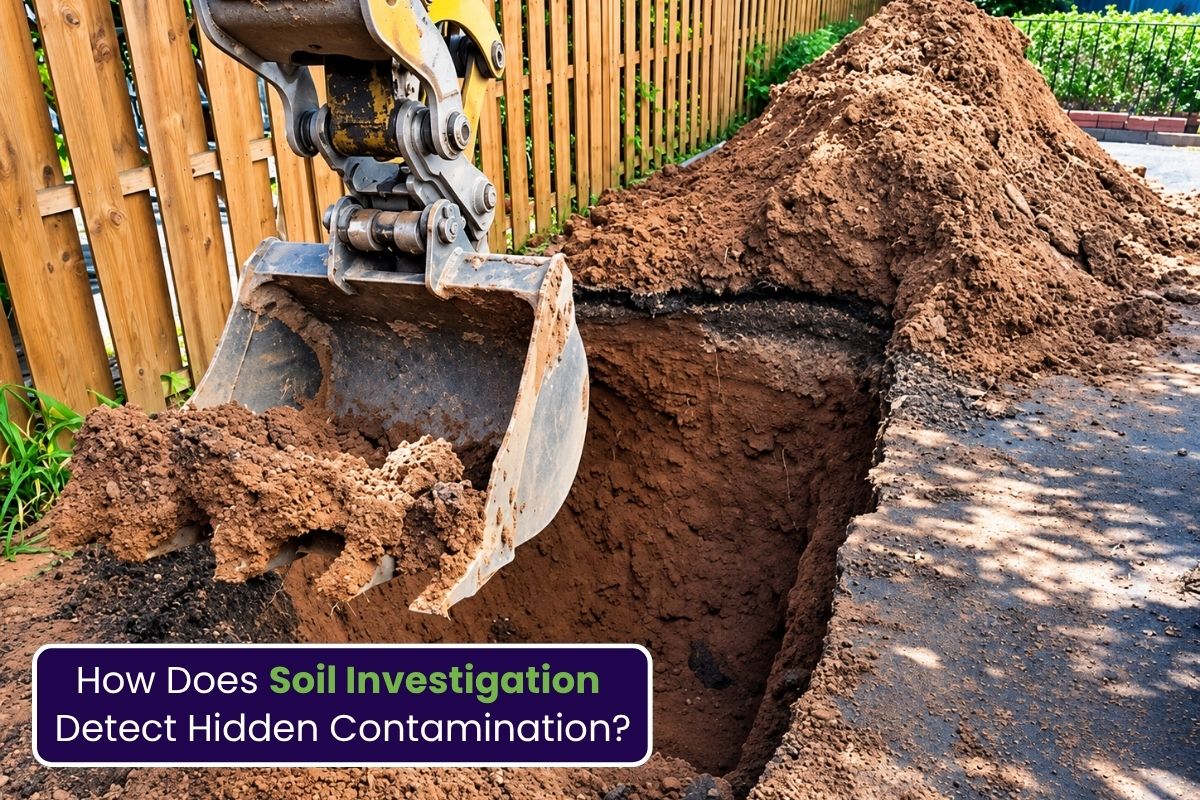
Soil contamination is not always visible on the ground. A property may appear clean while harmful substances remain underground due to leaking oil tanks, fuel spills, chemical storage, or previous industrial activities. A soil investigation helps identify these hidden environmental concerns before they affect construction, property transactions, or future land use.
For property owners in New Jersey, understanding soil conditions is particularly important when a property has an older heating oil tank or a history of commercial or industrial use.
What Is a Soil Investigation?
A soil investigation is an environmental assessment that examines soil conditions to identify potential contamination. Environmental professionals collect samples from selected locations and depths and send them to a laboratory for testing.
Depending on the property’s history, testing may identify petroleum hydrocarbons, volatile organic compounds (VOCs), metals, and other contaminants. The results help determine whether contamination is present and whether further investigation or cleanup may be necessary.
How Does Soil Investigation Detect Hidden Contamination?
Soil investigation involves several steps that help environmental professionals identify problems that cannot be confirmed through a visual inspection alone.
1. Reviewing Property History
The process often begins with reviewing historical records and previous land uses. Investigators may look for underground storage tanks, former fuel stations, industrial operations, chemical storage, or reported spills.
This information helps identify areas where contamination may be more likely and guides the selection of sampling locations.
2. Collecting Soil Samples
Environmental professionals collect soil samples from selected locations based on site conditions and suspected contamination sources. Methods may include drilling, test pits, or other appropriate sampling techniques.
Samples collected at different depths can help determine whether contamination is limited to surface soil or extends deeper underground. Proper sampling and handling are essential for obtaining reliable results.
3. Laboratory Testing
Laboratory analysis helps detect contaminants that may not be visible or noticeable through smell. For example, petroleum compounds from a leaking oil tank may remain in the soil without obvious surface signs.
Test results help professionals evaluate the type and concentration of detected substances and determine whether additional assessment is required.
4. Determining the Extent of Contamination
When contamination is identified, additional sampling may be needed to determine how far it extends horizontally and vertically. Professionals may also consider groundwater conditions, soil characteristics, and nearby structures.
This information helps guide decisions about further testing, environmental reporting, and possible soil remediation.
Why Is Soil Investigation Important in New Jersey?
Property owners planning construction, renovations, property transactions, or underground tank removal may need to understand the environmental condition of their land. Soil Investigation in New Jersey can help identify potential contamination associated with leaking oil tanks, petroleum releases, and previous commercial or industrial activities.
New Jersey properties can have different environmental requirements depending on their history, current conditions, and intended use. Soil testing provides useful information for evaluating potential concerns and deciding whether additional environmental work is needed.
A professional investigation can help property owners:
-Identify possible contamination before construction begins.
-Evaluate soil near suspected underground oil tanks.
-Support environmental due diligence during property transactions.
-Determine whether additional testing or remediation may be necessary.
-Make informed decisions about property development and future use.
The appropriate investigation depends on the property’s circumstances and applicable New Jersey Department of Environmental Protection (NJDEP) requirements.
What Happens If Soil Contamination Is Found?
Finding contamination does not automatically mean the entire property requires cleanup. The next steps depend on the substances detected, their concentrations, the affected area, potential exposure risks, and applicable environmental standards.
Environmental professionals may recommend additional sampling, groundwater investigation, contamination delineation, or a suitable remediation plan. Depending on the findings, cleanup may involve removing contaminated soil, treating it using an appropriate method, or implementing another approved response.
Addressing potential contamination early can help property owners plan their projects more effectively and reduce unexpected environmental complications.
Frequently Asked Questions
Q1. How can you tell if soil is contaminated?
Soil may look normal even when harmful substances are present. Laboratory testing of properly collected samples is a reliable way to determine whether specific contaminants exist.
Q2. When is a soil investigation necessary?
It may be appropriate after an oil tank leak, a chemical spill, or when a property’s history indicates possible contamination. It can also support environmental assessments before construction or property transactions.
Q3. Can soil investigation detect oil tank leaks?
Yes. Targeted soil sampling and laboratory analysis can identify petroleum-related contaminants associated with leaking underground oil tanks. The testing approach depends on site conditions and the suspected source.
Q4. Does contaminated soil always need removal?
No. The appropriate response depends on the contamination findings, potential risks, and applicable environmental requirements. A qualified environmental professional can determine whether further testing, soil removal, treatment, or another response is appropriate.
Summary
Soil investigation helps identify hidden contamination, evaluate environmental risks, and determine appropriate next steps for testing or cleanup. For properties with suspected oil tank leaks or a history of industrial use, early investigation can support informed decisions. Contact Simple Tank Services to learn more about soil investigation and environmental services in New Jersey.