
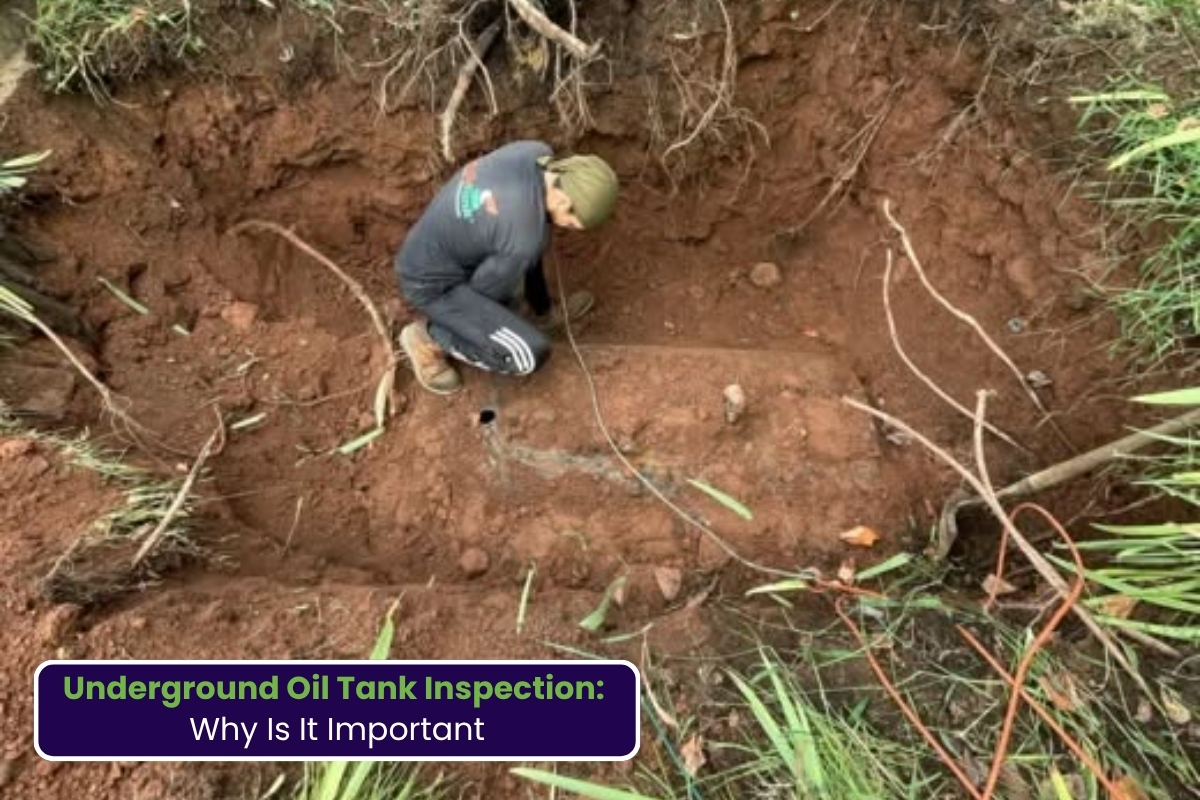
An underground oil tank inspection is a professional evaluation of a buried oil tank to determine its condition, potential for leaks, and possible environmental risks. In New Jersey, inspecting an underground oil tank can help property owners identify hidden problems before they lead to soil contamination, costly cleanup, or complications during a property sale.
What Is an Underground Oil Tank Inspection?
An underground oil tank inspection involves examining a buried heating-oil tank and the surrounding area for signs of damage, corrosion, leakage, or environmental concerns. Because underground tanks cannot be fully viewed from the surface, professional inspection methods may be used to assess the tank and determine whether further testing or removal is necessary.
Older properties in New Jersey may have underground tanks that are no longer in use or have been forgotten over time. Even when a tank appears inactive, it may still contain residual oil or have deteriorated underground.
Why Is an Underground Oil Tank Inspection Important?
An inspection can provide valuable information about the condition and potential risks associated with a buried tank. A damaged or leaking tank may release petroleum into surrounding soil, potentially creating environmental concerns and additional cleanup requirements.
For property owners, early identification of a problem can make it easier to determine the appropriate next step. Depending on the inspection findings, this may include tank testing, soil sampling, tank removal, or environmental remediation.
An inspection can also be particularly important when buying or selling an older property. Knowing whether an underground oil tank exists and understanding its condition can help reduce unexpected problems during a real estate transaction.
Signs That an Underground Oil Tank May Need Inspection
Some underground tanks may show warning signs, while others can remain hidden for years. Property owners should consider professional evaluation when:
-The property has an older heating system or previously used oil heat.
-Records indicate that an underground tank may be present.
-There are unusual odors around the property.
-Soil near a suspected tank appears stained or disturbed.
-The property is being prepared for sale or purchase.
-An old tank has been abandoned or is no longer connected to the heating system.
-There are concerns about possible soil contamination.
It is important not to assume that a tank is safe simply because there are no visible signs of leakage.
What Happens During the Inspection?
The exact process can vary depending on the property and tank conditions. A professional may begin by locating the suspected tank and reviewing available property information. The tank and accessible components can then be evaluated for visible deterioration, corrosion, damage, or other concerns.
If contamination is suspected, additional investigation may be recommended. This could include soil sampling or other environmental testing to determine whether petroleum has affected the surrounding area.
The results can help property owners understand the condition of the tank and make informed decisions about testing, removal, or remediation.
Underground Oil Tank Inspection in New Jersey
New Jersey properties can have a history of underground heating-oil tanks, particularly older residential and commercial properties. Because petroleum releases can affect soil and potentially create environmental concerns, property owners should take suspected tank issues seriously.
When an underground tank is discovered, getting a professional assessment can help determine what should happen next. Underground Oil Tank Inspection in New Jersey can help identify potential tank deterioration, leakage concerns, and whether additional testing or environmental services may be needed.
Depending on the circumstances, the appropriate solution may involve tank testing, safe tank removal, soil sampling, soil remediation, or other environmental services. Property owners should also consider applicable New Jersey environmental requirements and work with qualified professionals familiar with local procedures.
How Often Should an Underground Oil Tank Be Inspected?
There is no single inspection schedule that applies to every underground tank. The need for an inspection depends on factors such as the tank’s age, condition, use, location, and property history.
If you suspect an old underground oil tank is present, an inspection may be worthwhile even if the tank is no longer being used. Early evaluation can help identify potential issues before they become more complicated or expensive.
Frequently Asked Questions
Q1. Can an underground oil tank leak without visible signs?
Yes. A buried tank can develop corrosion or damage below ground without producing obvious surface signs. Professional evaluation and appropriate testing can help identify potential problems.
Q2. Is an inspection necessary before selling a property in New Jersey?
It can be beneficial, especially for older properties where an underground oil tank may exist. Identifying potential tank or contamination concerns early can help avoid unexpected issues during a real estate transaction.
Q3. What if soil contamination is discovered?
If testing indicates petroleum contamination, additional environmental assessment and remediation may be necessary. The appropriate response depends on the extent and nature of the contamination.
Q4. Is an old unused oil tank still a concern?
Yes. An unused tank can still deteriorate over time and may contain residual oil. Professional evaluation can help determine whether it should be tested, removed, or otherwise addressed.
Final Thoughts
Understanding the condition of a buried oil tank is an important part of responsible property ownership. If you suspect an underground tank on your New Jersey property, Simple Tank Services can help you determine the appropriate next step for inspection, testing, removal, or related environmental needs.