
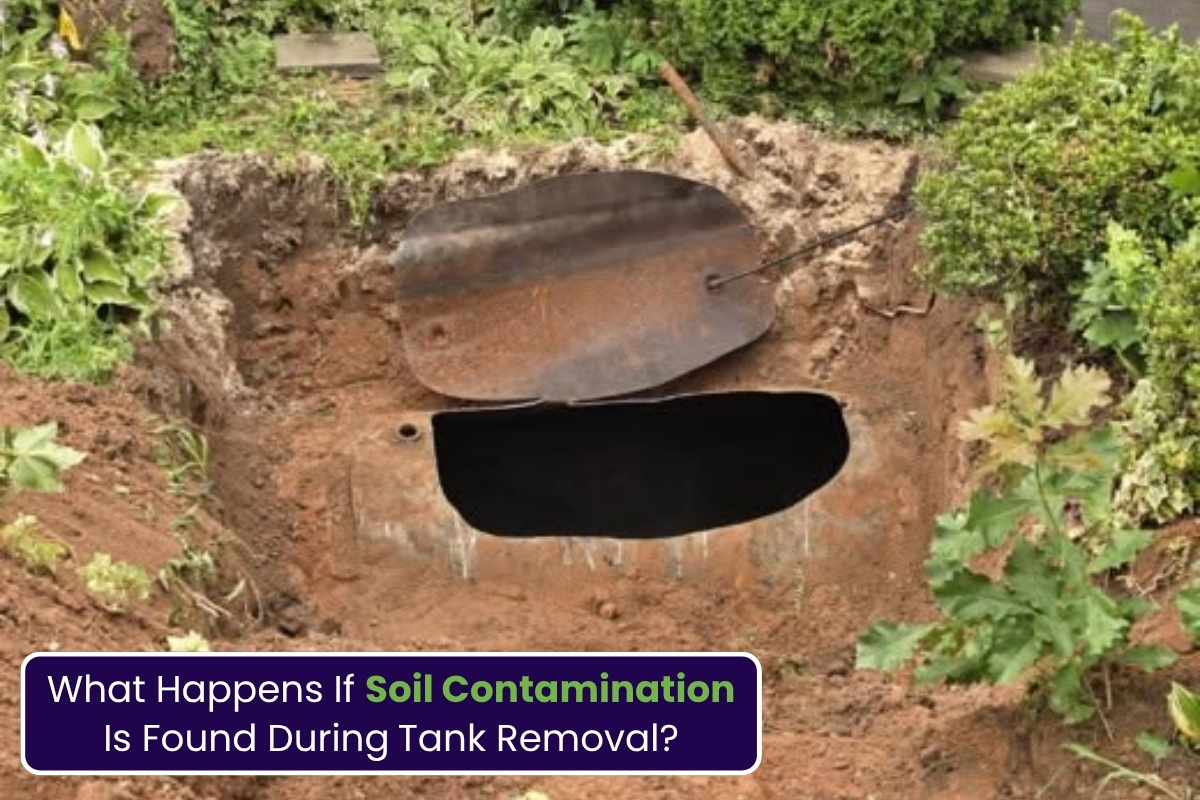
Removing an underground oil tank can uncover more than an old or damaged tank. In some cases, soil contamination during tank removal is discovered around the tank area. This usually happens when oil has leaked into the surrounding soil over time. Understanding what happens next can help property owners prepare for oil tank removal in New Jersey and the environmental steps that may follow.
Why Does Soil Contamination Occur During Tank Removal?
Older underground storage tanks can develop rust, cracks, or other damage that allows petroleum products to escape. Even a small leak over many years can affect the soil surrounding the tank. Contamination may not be visible until the tank is excavated and the soil is inspected.
During professional underground oil tank removal, contractors typically examine the excavation area for signs of petroleum impact. If contaminated soil is suspected, additional testing may be required to determine the extent and type of contamination.
What Happens When Contaminated Soil Is Found?
When soil contamination during tank removal is identified, the next step is generally to evaluate how much soil has been affected. Soil samples may be collected and sent to a qualified laboratory for analysis.
The results can help determine whether the contamination requires further action. Depending on the findings, the project may involve:
-Removing impacted soil from the excavation area
-Collecting additional soil samples
-Properly handling and disposing of contaminated material
-Conducting environmental testing
-Performing soil remediation in New Jersey when necessary
-Completing required documentation and regulatory steps
The exact process depends on the contamination level, site conditions, laboratory results, and applicable New Jersey environmental requirements.
Is Soil Excavation Always Required?
Not necessarily. The appropriate response depends on the laboratory results and professional evaluation of the property. If contamination is limited, targeted excavation may be sufficient. More extensive contamination can require additional investigation or remediation.
This is why property owners should avoid assuming that every oil tank removal project will require major cleanup. A proper assessment helps determine the appropriate course of action based on actual site conditions.
What Is Soil Remediation?
Soil remediation in New Jersey refers to actions taken to address contaminated soil and reduce environmental risks. When petroleum contamination is confirmed, the affected soil may need to be excavated and transported for appropriate disposal or treatment.
In some situations, additional investigation may also be necessary to determine whether contamination has moved beyond the immediate tank excavation area. Professional environmental services can help identify the appropriate next steps and maintain documentation throughout the process.
Can Contamination Affect the Property Sale?
Potential contamination can become an important consideration when buying or selling a property. If an underground tank has leaked, buyers, sellers, lenders, or environmental professionals may request documentation showing how the issue was investigated and addressed.
Keeping records of the underground oil tank removal, soil testing, laboratory results, and any remediation work can help demonstrate what was discovered and what actions were taken.
How Can Property Owners Prepare?
Before removing an underground oil tank, property owners should work with qualified professionals who understand tank removal and environmental requirements. Ask about the inspection process, soil sampling procedures, documentation, and what happens if contamination is discovered.
It is also helpful to keep copies of tank removal records and laboratory reports. Having organized documentation can make future property transactions and environmental reviews easier.
Frequently Asked Questions
Q1. What does soil contamination mean during tank removal?
It means petroleum or other tank-related substances have affected the soil surrounding or near the former tank location. Testing is generally used to determine the extent of the impact.
Q2. Does every leaking oil tank require soil remediation?
No. The need for soil remediation in New Jersey depends on the nature and extent of contamination, testing results, and applicable environmental requirements.
Q3. What happens after contaminated soil is discovered?
The affected area may be investigated through soil sampling. Depending on the results, contaminated soil may be excavated, properly disposed of, or addressed through an appropriate remediation strategy.
Q4. Can contaminated soil be removed during tank removal?
Yes. When testing and site conditions indicate that excavation is appropriate, impacted soil may be removed as part of the environmental cleanup process.
Q5. Why is soil testing important after tank removal?
Soil testing helps identify whether petroleum contamination is present and provides information that professionals can use to determine the appropriate next steps.
Final Thoughts
Finding contamination during tank removal does not necessarily mean a property has an overwhelming environmental problem. Proper testing, documentation, and professional evaluation can help determine the right solution. If you need reliable guidance for oil tank removal in New Jersey, simple tank services can help you understand the removal and environmental process. Contact us today to discuss your project.