
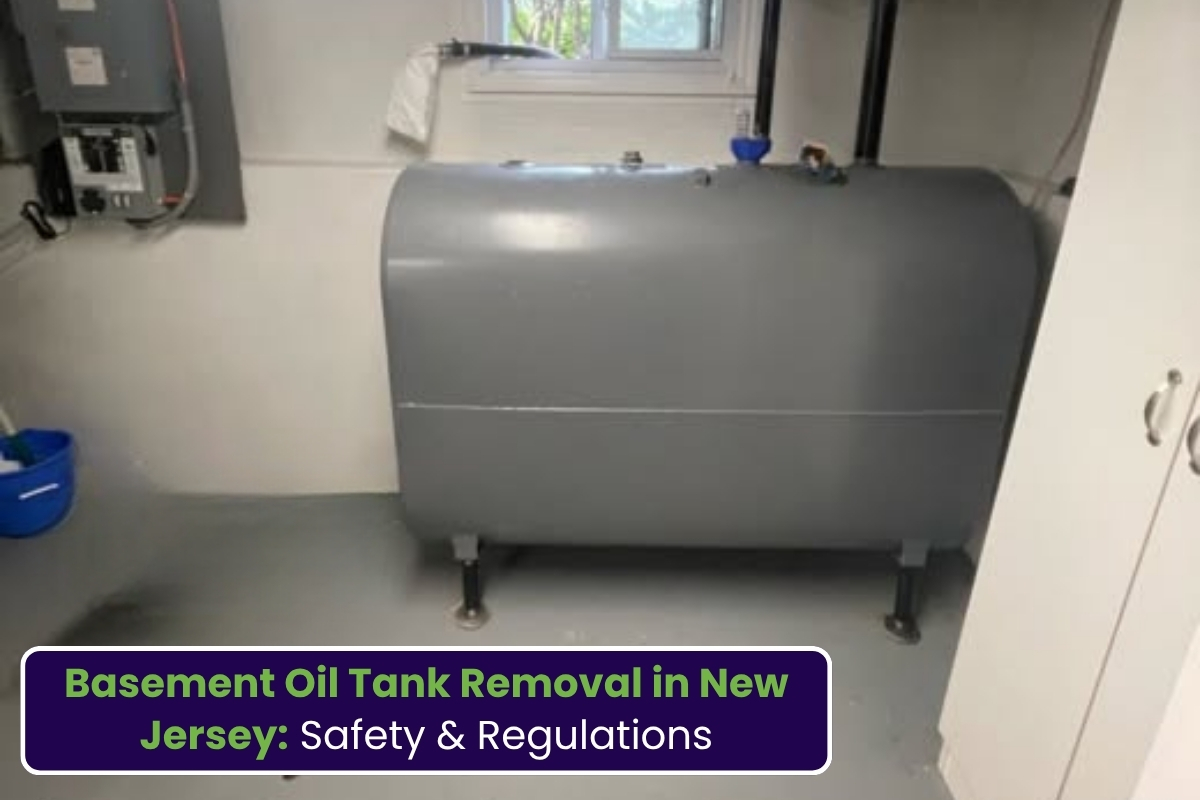
Basement oil tanks were once widely used to provide heating for homes throughout New Jersey. Many older properties still have these tanks, even after homeowners have switched to newer heating systems. Over time, an unused tank can become a concern because of corrosion, deterioration, or the possibility of a leak.
For homeowners planning Basement Oil Tank Removal in New Jersey, understanding the safety procedures, removal process, and state requirements can make the project much easier to manage.
Why Remove an Oil Tank From Your Basement?
An old basement oil tank can create several concerns for homeowners. Metal tanks can deteriorate over time, especially when they have been unused for years. Corrosion or damage may eventually lead to leakage, which can affect surrounding surfaces and potentially create environmental problems.
Tank removal may also be considered during a home renovation, property sale, insurance review, or mortgage transaction. Having an old tank professionally removed and properly documented can help prevent complications during these situations.
Oil Tank Removal Company in New Jersey: What to Look For
Choosing the right contractor is an important part of the removal process. Homeowners should work with professionals who understand New Jersey requirements and have the appropriate certifications for underground tank closure.
NJDEP states that underground residential heating-oil tanks must be closed by an individual working for a contractor certified for UST closure. Homeowners can also verify contractor certification through NJDEP resources.
Before hiring a contractor, consider asking:
-Is the contractor properly certified for tank closure?
-What permits or municipal requirements apply?
-Is tank disposal included in the estimate?
-Will the tank be inspected after removal?
-What happens if signs of contamination are discovered?
-Will documentation be provided after the project?
Getting clear answers before work starts can help homeowners avoid unexpected costs and delays.
Residential Basement Oil Tank Removal: Understanding the Process
The exact removal procedure can vary depending on the tank’s size, condition, location, and accessibility. However, most professional projects involve several important steps.
1. Property and Tank Assessment
The contractor begins by evaluating the basement, tank location, tank size, piping, access points, and surrounding conditions. This helps determine how the tank can be safely removed while minimizing disruption to the property.
2. Preparing the Work Area
Before removal, the work area is prepared according to appropriate safety procedures. Remaining oil or residue must be handled carefully, and the tank should be disconnected using suitable equipment and methods.
3. Removing the Tank
Depending on the size and location of the tank, it may need to be emptied, cleaned, disconnected, and cut into smaller sections. The sections can then be safely removed from the basement.
For homeowners considering Basement Oil Tank Removal in New Jersey, professional handling is particularly important because basement tanks can be difficult to access and may require careful maneuvering through doors, stairs, or narrow spaces.
4. Inspecting for Damage or Leakage
After the tank is removed, professionals can inspect it for corrosion, holes, staining, or other signs of a potential release. The surrounding area may also be evaluated for evidence of contamination.
NJDEP identifies indicators such as holes in the tank, staining, oil contacting soil or groundwater, fuel-oil odors, elevated field readings, and detectable petroleum hydrocarbons as potential signs of a discharge.
5. Soil Testing When Necessary
If signs of a release are discovered, additional investigation may be required. Depending on the situation, a certified subsurface evaluator or Licensed Site Remediation Professional may be involved.
If a discharge is discovered, New Jersey requires it to be reported to NJDEP, followed by the appropriate investigation and remediation process.
6. Documentation and Completion
Once the tank has been removed and the project is completed, homeowners should keep copies of relevant permits, inspection records, disposal paperwork, and other documentation.
If contamination is discovered, additional remediation documentation may be required. When applicable, NJDEP can issue a No Further Action determination after the required remediation has been completed.
New Jersey Oil Tank Regulations Homeowners Should Know
Residential heating-oil tanks fall under New Jersey’s Unregulated Heating Oil Tank program. NJDEP explains that there is generally no state requirement to remove a residential heating-oil tank when there is no indication of a discharge. However, removal may still be recommended during real estate transactions or other property-related circumstances.
For underground tanks, closure must be performed by a properly certified UST closure contractor. Local municipal requirements may also apply, so homeowners should contact their local construction office about permits and inspections before starting work.
Frequently Asked Questions
Q1. Is basement oil tank removal required in New Jersey?
Not always. NJDEP states that residential heating-oil tanks without evidence of a discharge are not automatically required to be removed by the state. However, property sales, renovations, insurance requirements, or other circumstances may make removal advisable.
Q2. Who can remove an underground heating-oil tank?
An appropriately certified UST closure contractor must perform underground tank closure. Homeowners should verify the contractor’s certification before hiring them.
Q3. What happens if an oil tank is leaking?
If evidence of a discharge is discovered, the discharge must be reported to NJDEP, and further environmental investigation and remediation may be required.
Q4. Can an oil tank be abandoned instead of removed?
Certain tanks may be abandoned in place when applicable requirements are satisfied. The appropriate option depends on the tank and property circumstances, so homeowners should consult a qualified professional and their municipality.
Q5. How should I prepare my basement for tank removal?
Make sure the contractor has clear access to the tank and remove unnecessary items from the work area. It is also helpful to gather any previous tank records, permits, or property documents before the project begins.
Final Thoughts
Removing an old basement oil tank requires careful planning, proper safety procedures, inspection, and attention to New Jersey requirements. Working with a qualified professional can help homeowners address potential problems and maintain proper documentation for future property needs.
If you are planning Basement Oil Tank Removal in New Jersey, contact Simple Tank Services to discuss your project and get professional assistance with the next steps.