
Introduction
Discovering contaminated soil on your property can feel overwhelming, especially if you are unfamiliar with New Jersey’s environmental regulations. Whether contamination is found during a property transaction, after an underground storage tank removal, or through routine environmental testing, understanding the cleanup process can help property owners make informed decisions.
Many people assume that contamination automatically leads to lengthy delays and expensive remediation projects. In reality, every site is different, and the process follows a structured path designed to protect both property owners and the environment. With proper investigation, testing, documentation, and regulatory oversight, many properties successfully complete cleanup and receive approval from the New Jersey Department of Environmental Protection (NJDEP).
This guide explains every stage of the cleanup process so you know what to expect from the initial investigation through final regulatory approval.
Why Soil Investigation Is the First Step
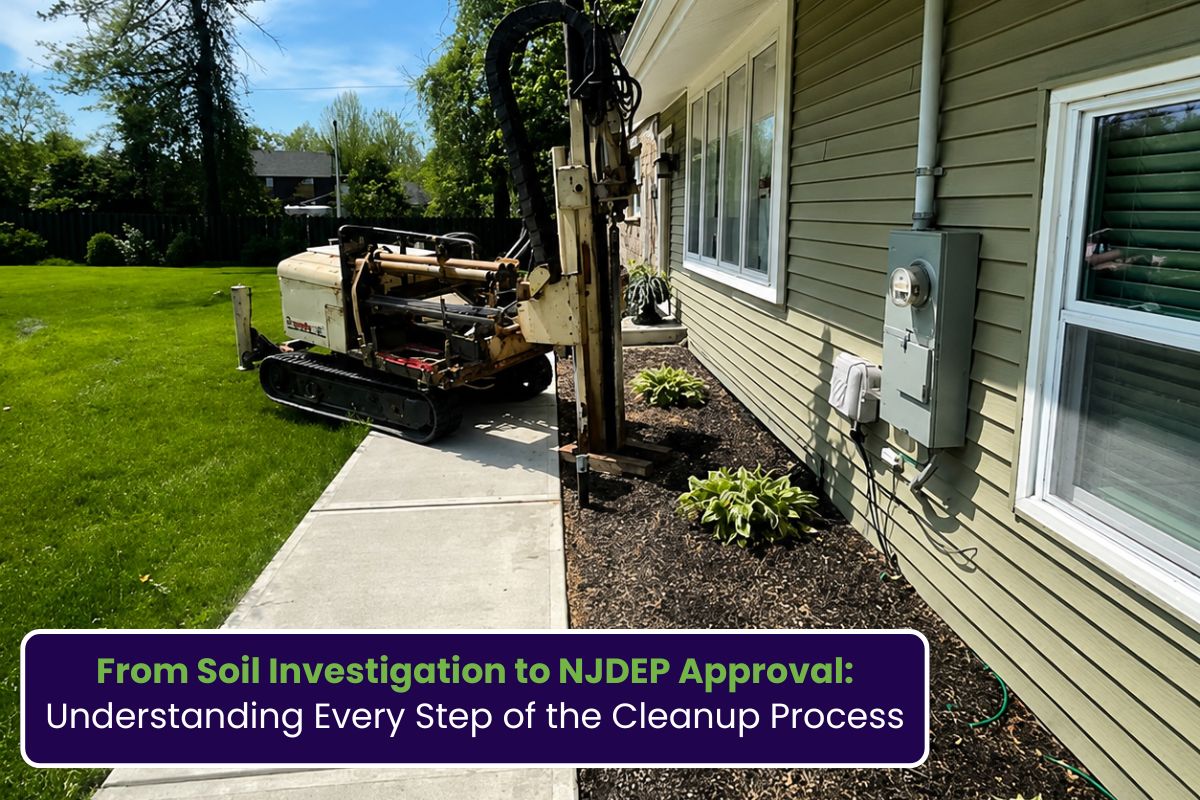
Before any cleanup decisions are made, environmental professionals need to understand what is happening beneath the surface. Soil conditions cannot be evaluated accurately through a visual inspection alone. Even if contamination is not visible, petroleum products and other pollutants may remain underground.
An Environmental Site Investigation provides the information needed to determine whether contamination exists, how extensive it is, and whether remediation is required. During this stage, qualified professionals collect soil samples from strategic locations based on previous tank locations, suspected release areas, and surrounding site conditions.
These samples are carefully documented and transported to certified laboratories for detailed analysis. Laboratory results help determine whether contaminant levels exceed New Jersey regulatory standards.
This scientific approach prevents unnecessary excavation while ensuring that any remaining contamination is properly identified.
Understanding Soil Contamination Testing Results
Once samples arrive at the laboratory, specialists perform Soil Contamination Testing using state-approved analytical methods.
The laboratory measures the concentration of contaminants commonly associated with petroleum releases, including gasoline, diesel fuel, heating oil, and related compounds. Each result is compared against NJDEP cleanup criteria.
Possible outcomes include:
-No contamination detected above regulatory limits.
-Minor contamination requiring additional evaluation.
-Significant contamination requiring remediation.
-Additional sampling recommended to define affected areas.
These findings allow environmental professionals to develop the most appropriate cleanup strategy instead of relying on assumptions.
Accurate testing also reduces the risk of future regulatory issues by ensuring that cleanup decisions are based on verified scientific data.
How the NJDEP Cleanup Process Works
The NJDEP Cleanup Process follows established environmental regulations that ensure contaminated properties are investigated and cleaned safely.
After laboratory results become available, licensed environmental professionals review the findings and determine whether further investigation or remediation is necessary.
Depending on the property’s condition, the process may include:
-Reviewing historical site information.
-Mapping contaminated areas.
-Preparing environmental reports.
-Developing a remediation plan.
-Performing additional sampling when needed.
-Completing regulatory documentation.
Each step is designed to protect groundwater, neighboring properties, and public health while helping property owners meet New Jersey environmental requirements.
Although every project is unique, following the proper process often leads to more efficient regulatory review and fewer unexpected delays.
When Remediation Becomes Necessary
Not every investigation results in a large cleanup project. In some situations, contamination levels remain below regulatory standards, allowing the case to move toward closure without additional excavation.
However, when contamination exceeds acceptable limits, remediation becomes necessary.
The primary goal of Soil Remediation in New Jersey is to remove or reduce contamination to levels that comply with NJDEP regulations while protecting surrounding natural resources.
The remediation method depends on several factors, including:
-Type of contaminant.
-Depth of contamination.
-Soil characteristics.
-Groundwater conditions.
-Property usage.
-Regulatory requirements.
Environmental professionals evaluate each factor before selecting the most appropriate cleanup method.
What Happens During Underground Storage Tank Cleanup
One of the most common causes of soil contamination involves leaking heating oil tanks or other underground fuel storage systems.
An Underground Storage Tank Cleanup generally begins after the tank has been removed and surrounding soil has been evaluated.
If contamination is identified, remediation activities may include:
Removing impacted soil, collecting confirmation samples, transporting contaminated materials to approved disposal facilities, documenting excavation activities, and performing additional laboratory testing to verify cleanup effectiveness.
Throughout the project, environmental specialists maintain detailed records of sampling locations, laboratory reports, excavation volumes, and disposal documentation.
This documentation becomes an essential part of the final regulatory submission.
Documentation Plays a Critical Role
Many property owners focus only on the physical cleanup, but documentation is equally important.
Every investigation and remediation project generates detailed records, including:
-Site maps.
-Sample locations.
-Laboratory reports.
-Field observations.
-Chain-of-custody forms.
-Disposal records.
-Photographs.
-Technical evaluations.
These documents demonstrate that environmental work was completed according to New Jersey regulations.
Incomplete or inaccurate documentation can delay regulatory review even when cleanup activities have been completed successfully.
The Final Review Before NJDEP Approval
After remediation activities are complete, environmental professionals prepare a comprehensive report summarizing the investigation, laboratory results, cleanup activities, and final confirmation sampling.
This report explains how contamination was identified, addressed, and verified through additional testing.
Regulatory reviewers examine the submitted information to confirm that cleanup objectives have been achieved.
If all requirements have been satisfied, the project moves toward regulatory approval, giving property owners confidence that environmental concerns have been properly addressed.
Although review timelines vary depending on project complexity, thorough documentation often contributes to a smoother approval process.
Common Factors That Affect Cleanup Timelines
Every property presents different environmental conditions, so cleanup schedules can vary considerably.
Several factors influence how quickly a project moves forward:
Property Size
Larger sites often require additional sampling and investigation.
Extent of Contamination
Higher contamination levels may require more extensive remediation activities.
Laboratory Turnaround Times
Testing schedules can affect project timelines.
Weather Conditions
Heavy rain or frozen ground may delay fieldwork.
Regulatory Review
Approval timelines depend on complete documentation and compliance with applicable requirements.
Understanding these variables helps property owners set realistic expectations throughout the cleanup process.
Choosing Experienced Environmental Professionals
Environmental cleanup involves technical procedures, regulatory compliance, scientific analysis, and extensive documentation. Working with experienced professionals helps ensure that each stage is completed accurately and efficiently.
From planning the investigation through preparing final reports, knowledgeable environmental specialists understand New Jersey regulations and industry best practices.
Their experience helps minimize delays, improve documentation quality, and support a smoother regulatory review.
Frequently Asked Questions
Q1. How long does the NJDEP cleanup process usually take?
The timeline depends on the level of contamination, laboratory testing, site conditions, and regulatory review. Some projects finish within a few weeks, while more complex cases may require several months.
Q2. Does every contaminated property require excavation?
No. Some sites only require additional testing or monitoring. The appropriate remediation method depends on laboratory findings and environmental conditions.
Q3. Can I sell my property while environmental cleanup is in progress?
In many cases, yes. However, buyers and lenders may require documentation showing the investigation status and any ongoing remediation activities.
Q4. Who performs soil contamination testing?
Qualified environmental professionals collect soil samples, and state-certified laboratories analyze them using approved testing methods that comply with New Jersey regulations.
Q5. Why is documentation important during environmental cleanup?
Accurate documentation demonstrates that investigations, testing, remediation, and disposal activities meet regulatory requirements, helping support a smoother approval process.
Conclusion
Navigating environmental cleanup may seem complicated at first, but understanding each stage makes the process much more manageable. From the initial investigation and laboratory analysis to remediation, documentation, and final approval, every step serves an important purpose in protecting both people and the environment.
When experienced professionals manage the investigation and reporting process correctly, property owners can move forward with greater confidence and fewer unexpected challenges. Simple Tank Services works with property owners throughout the cleanup journey by providing knowledgeable guidance, thorough environmental services, and support from investigation through regulatory completion.