
Understanding Groundwater and Why It Matters
Groundwater exists beneath the earth’s surface in layers of soil, sand, and rock formations known as aquifers. These underground water sources provide drinking water for many residents throughout New Jersey and support local ecosystems.
Because groundwater moves slowly beneath the surface, contaminants can remain hidden for years before becoming noticeable. Once pollutants enter an aquifer, they can travel beyond the original source area and affect neighboring properties, wells, streams, and wetlands. This makes early detection and corrective action essential for protecting public health and the environment.
Common Causes of Groundwater Contamination in New Jersey
New Jersey has a long industrial history, dense residential development, and thousands of active and former commercial properties. These factors create several potential sources of contamination.
Underground Storage Tank Leaks
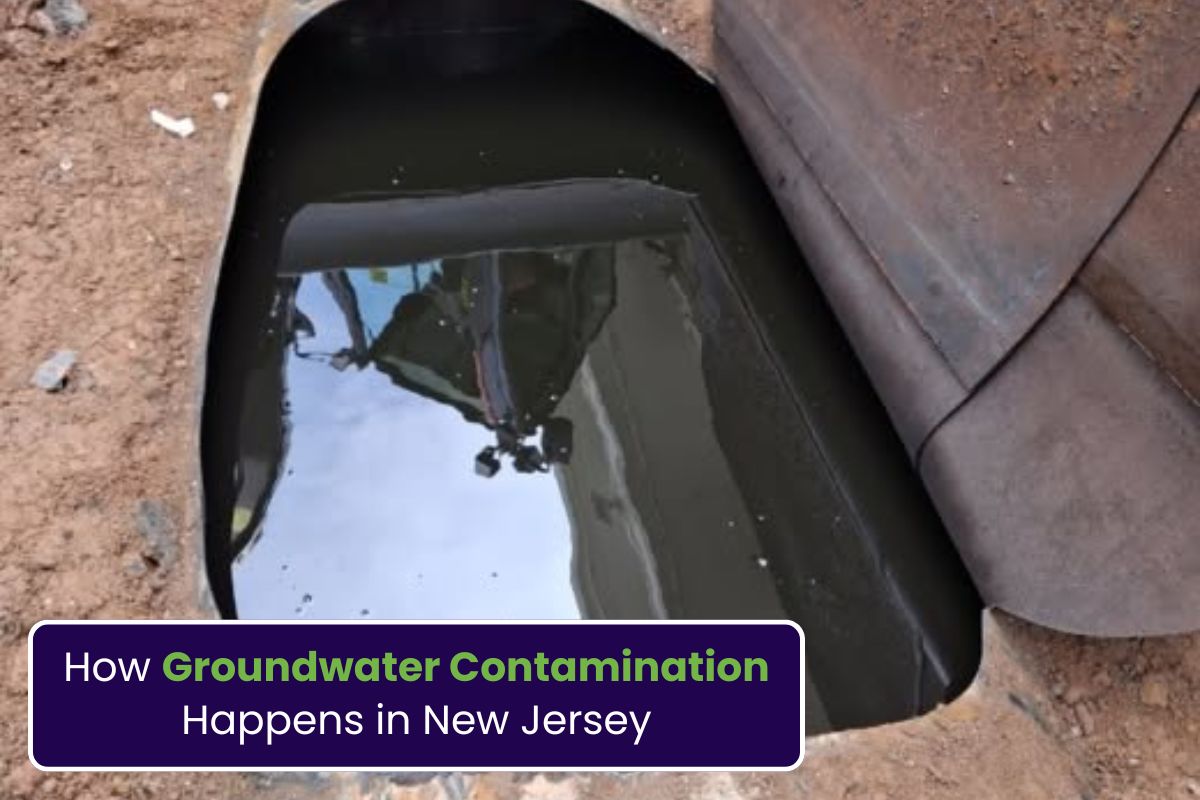
One of the most common causes of groundwater pollution involves underground storage tank leaks. Older fuel tanks can corrode over time, allowing gasoline, heating oil, diesel fuel, and other petroleum products to seep into surrounding soil.
As these substances migrate through the ground, they can eventually reach groundwater supplies. Even small leaks can create significant environmental concerns if left untreated for extended periods.
Industrial and Commercial Activities
Manufacturing facilities, automotive operations, dry cleaners, and industrial sites often handle chemicals that can pose environmental risks if improperly managed. Historical disposal practices, accidental spills, and equipment failures may allow contaminants to enter the soil and groundwater.
Many contaminated properties discovered today are linked to activities that occurred decades ago before modern environmental regulations were established.
Improper Waste Disposal
Improper disposal of chemicals, solvents, oils, and hazardous materials can contribute to long-term groundwater problems. When waste materials are buried, dumped, or released into the environment, contaminants may gradually migrate downward through soil layers and reach underground water sources.
Agricultural Runoff
Fertilizers, pesticides, and herbicides used in agricultural operations can also impact groundwater quality. Excess chemicals may infiltrate the soil during rainfall events and eventually enter aquifers if proper management practices are not followed.
Warning Signs That Groundwater May Be Contaminated
Groundwater contamination often develops below the surface where it cannot be seen. However, certain indicators may suggest an environmental issue exists.
Property owners may notice unusual odors near wells, staining around contaminated areas, vegetation stress, or historical records showing previous fuel storage or industrial activity. In many cases, contamination is discovered during environmental assessments conducted as part of a property sale or redevelopment project.
Because visible signs are not always present, environmental testing remains the most reliable method for identifying potential problems.
The Environmental and Financial Impact of Groundwater Contamination
The consequences of pollution extend beyond environmental concerns. Contaminated groundwater can affect property values, delay real estate transactions, create regulatory obligations, and increase long-term cleanup costs.
When pollutants continue spreading underground, remediation efforts often become more complex and expensive. What begins as a localized issue can eventually impact larger areas, requiring extensive investigation and corrective measures.
This is one reason why addressing groundwater contamination in New Jersey as early as possible is critical. Prompt action can help limit environmental damage and reduce future liabilities.
Why Contaminated Soil Remediation Is Often Necessary
The Connection Between Soil and Groundwater
In many cases, contamination begins in the soil before reaching groundwater. Petroleum products, chemicals, and hazardous substances first penetrate surface soils and then migrate downward over time.
Effective contaminated soil remediation helps remove or reduce pollutants before they continue spreading through the environment. Depending on site conditions, remediation may involve excavation, treatment technologies, monitoring programs, or a combination of cleanup methods.
Addressing both soil and groundwater concerns together often provides the most effective long-term solution.
Groundwater Cleanup Services Help Protect Communities
Professional groundwater cleanup services are designed to identify contamination sources, evaluate environmental impacts, and implement corrective actions that meet regulatory requirements.
Environmental professionals use site investigations, groundwater sampling, laboratory testing, and remediation technologies to restore affected areas. Every contamination site presents unique challenges, requiring customized cleanup strategies based on contamination type, concentration levels, and site conditions.
Early intervention not only protects natural resources but also helps property owners avoid escalating cleanup costs and regulatory complications.
Environmental Cleanup Solutions for Long-Term Protection
Modern environmental cleanup solutions have advanced significantly over the years. Environmental professionals now use specialized technologies to monitor contamination movement, remove pollutants, and restore impacted groundwater systems more efficiently than ever before.
Depending on site conditions, cleanup strategies may include groundwater extraction systems, biological treatment methods, soil vapor extraction, chemical oxidation, or natural attenuation programs. The goal is to reduce contamination levels while protecting human health and environmental resources.
These solutions help ensure that affected properties can be safely used, sold, or redeveloped in the future.
Why Waiting to Address Contamination Is Risky
Delaying environmental action rarely makes contamination problems disappear. Instead, pollutants often continue migrating through soil and groundwater systems, increasing the area affected and raising cleanup costs.
Regulatory agencies may also require investigation and corrective measures once contamination is identified. Property owners who act quickly are generally better positioned to control costs, protect property value, and achieve compliance requirements.
Addressing environmental concerns promptly helps prevent small issues from becoming major liabilities.
Frequently Asked Questions
Q1. What is the most common cause of groundwater contamination in New Jersey?
Leaking underground fuel tanks, industrial activities, and improper chemical disposal are among the most common sources of contamination.
Q2. How can groundwater contamination affect property owners?
Contamination can reduce property value, delay real estate transactions, increase cleanup costs, and create regulatory obligations.
Q3. Can groundwater contamination spread to neighboring properties?
Yes. Contaminants can migrate underground through soil and groundwater systems, potentially affecting nearby properties and water sources.
Q4. How is groundwater contamination identified?
Environmental professionals typically use groundwater sampling, soil testing, and laboratory analysis to determine contamination levels and sources.
Q5. Why should contamination be cleaned up immediately?
Early action helps limit environmental damage, reduce remediation costs, protect water resources, and improve regulatory compliance outcomes.
Summary
Groundwater plays a critical role in supplying drinking water to homes, businesses, and communities across New Jersey. When harmful substances enter underground water sources, the effects can spread far beyond the original contamination site. Property owners often do not realize a problem exists until testing reveals environmental concerns or a real estate transaction uncovers contamination issues. Understanding how groundwater becomes polluted and why immediate action matters can help prevent larger environmental and financial problems. When contamination is discovered, experienced professionals such as Simple Tank Services can help identify the source and guide property owners through the proper cleanup process.