
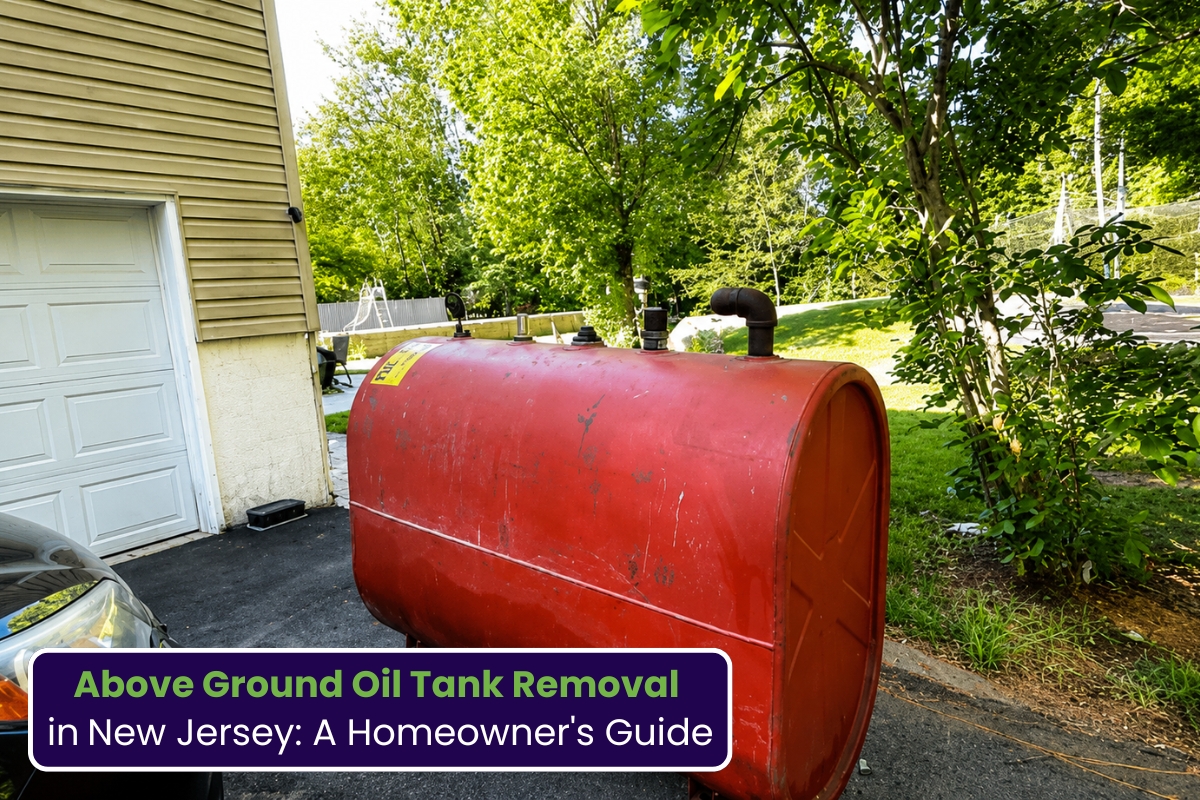
Many homes across New Jersey still have above-ground oil tanks that were installed years ago for heating purposes. While these tanks can provide reliable fuel storage, aging systems may eventually require removal due to safety concerns, property upgrades, environmental risks, or real estate transactions. Understanding the process can help homeowners make informed decisions and avoid unexpected challenges.
If you own a property with an aging oil tank, knowing when and why removal may be necessary can protect your investment and provide peace of mind.
Why Above Ground Oil Tanks Are Removed
Above-ground oil tanks are generally easier to inspect than underground systems, but they are not immune to wear and tear. Over time, corrosion, rust, and structural deterioration can increase the risk of leaks.
Homeowners often choose removal for several reasons:
-Replacing an outdated heating system
-Preparing a home for sale
-Eliminating environmental concerns
-Reducing maintenance requirements
-Upgrading to more energy-efficient solutions
Removing an unused tank can also help improve the appearance and functionality of a property.
Signs Your Above Ground Oil Tank May Need Removal
Not every oil tank requires immediate removal, but certain warning signs should never be ignored.
Common indicators include:
-Visible rust or corrosion
-Oil stains around the tank
-Strong fuel odors
-Damaged support legs
-Leaking valves or fittings
-Aging tanks exceeding their expected lifespan
When these issues appear, professional evaluation is recommended to determine whether repair or removal is the best option.
Understanding Above Ground Oil Tank Removal in New Jersey
The process of Above Ground Oil Tank Removal in New Jersey involves more than simply disconnecting and removing the tank. Proper procedures must be followed to ensure safety and environmental compliance.
A typical removal project includes:
Initial Inspection
Professionals inspect the tank, surrounding area, and connections to identify any potential concerns before work begins.
Fuel Removal
Any remaining heating oil is safely pumped out and handled according to applicable regulations.
Tank Cleaning
The interior of the tank is cleaned to remove residual oil and sludge.
Disconnection and Removal
All lines and fittings are disconnected before the tank is carefully removed from the property.
Disposal or Recycling
The tank is transported to an approved facility for recycling or disposal.
This systematic approach helps minimize environmental risks and ensures the project is completed safely.
Benefits of Professional Oil Tank Removal Services
Hiring experienced professionals provides several advantages over attempting any type of self-removal.
Improved Safety
Oil tanks can contain combustible materials and hazardous residues. Professional handling reduces safety risks during removal.
Environmental Protection
Proper removal helps prevent accidental spills that could affect soil, groundwater, or nearby structures.
Compliance With Local Requirements
New Jersey homeowners often need documentation showing that the tank was removed correctly. Professionals can provide the necessary records.
Property Value Benefits
A property without an outdated oil tank may be more attractive to potential buyers and lenders.
Peace of Mind
Knowing the tank has been safely removed allows homeowners to move forward with renovations, sales, or heating upgrades confidently.
Residential Oil Tank Removal and Real Estate Transactions
One of the most common reasons homeowners schedule Residential Oil Tank Removal is during a home sale.
Buyers frequently request information about heating systems and oil storage tanks before completing a purchase. Older tanks can raise concerns regarding future maintenance costs or environmental liabilities.
Removing a tank before listing a property may:
-Simplify inspections
-Reduce buyer concerns
-Improve marketability
-Prevent delays during closing
For many homeowners, proactive removal can make the selling process smoother and less stressful.
Environmental Considerations During Tank Removal
Environmental responsibility is a major factor in every oil tank removal project.
Even above-ground tanks can develop leaks that affect nearby surfaces or soil. If contamination is discovered during removal, additional evaluation may be required.
Professional contractors typically assess:
-Signs of previous leakage
-Soil conditions around the tank
-Potential environmental impacts
-Proper waste handling procedures
Addressing concerns early can help avoid larger issues in the future.
Choosing an Oil Tank Removal Company in New Jersey
Selecting the right contractor is one of the most important steps in the process. Homeowners should look for an experienced Oil Tank Removal Company in New Jersey that understands local regulations and industry best practices.
When evaluating contractors, consider:
Experience and Expertise
Choose a company with extensive experience handling residential oil tank removals.
Licensing and Insurance
Verify that the contractor carries appropriate insurance coverage and operates professionally.
Transparent Communication
A reputable company should clearly explain the removal process, timeline, and documentation provided.
Environmental Knowledge
Contractors should understand how to identify and address potential environmental concerns.
Positive Reputation
Reviews and customer feedback can provide valuable insight into service quality and professionalism.
Working with knowledgeable professionals can make the entire process more efficient and stress-free.
What Homeowners Can Expect During the Removal Process
Many homeowners are concerned about disruptions during removal. Fortunately, most above-ground tank removals can be completed efficiently when planned properly.
Before work begins, homeowners may be asked to:
-Provide access to the tank area
-Remove nearby obstacles
-Discuss utility connections
-Review project details with the contractor
During the project, professionals handle the technical aspects while keeping homeowners informed about progress and any findings.
After removal, documentation is typically provided to confirm the tank was removed and disposed of properly.
Common Myths About Above Ground Oil Tank Removal
Myth 1: Above-Ground Tanks Never Leak
While easier to inspect than underground tanks, above-ground tanks can still develop leaks due to age and corrosion.
Myth 2: Removal Is Only Necessary When Selling a Home
Many homeowners remove tanks for safety, efficiency, or property improvement reasons long before listing their homes.
Myth 3: Removal Is Always Complicated
With experienced professionals, many removals are completed in a straightforward and organized manner.
Myth 4: Newer Heating Systems Make Removal Unnecessary
Even when no longer in use, an abandoned tank may still present risks if left on the property.
How to Prepare for a Tank Removal Project
Preparation can help ensure a smoother experience.
Consider these steps:
-Schedule an inspection
-Discuss project expectations
-Confirm access routes
-Ask about documentation
-Understand the removal timeline
Being informed beforehand helps homeowners feel more confident throughout the process.
FAQs
Q1. How long does above-ground oil tank removal usually take?
Most projects can often be completed within a day, although timelines may vary depending on the tank’s size, condition, and location.
Q2. Is it necessary to remove an unused oil tank?
While not always mandatory, removing an unused tank can help eliminate potential safety and environmental concerns.
Q3. Can an above-ground oil tank leak?
Yes. Aging tanks may develop rust, corrosion, or structural damage that can lead to leaks over time.
Q4. Will removing an oil tank increase property value?
Removing an outdated tank may improve buyer confidence and make a property more appealing during a sale.
Q5. What happens to the remaining oil in the tank?
Any remaining fuel is typically removed and handled according to appropriate safety and environmental practices.
Q6. Why should I hire professionals for oil tank removal?
Professionals have the experience, equipment, and knowledge needed to perform the removal safely and efficiently.
Final Thought
Understanding the process of above-ground oil tank removal helps homeowners make informed decisions about their property’s safety, value, and future. If you’re considering removing an aging oil tank, contact Simple Tank Services for professional guidance and dependable solutions tailored to your needs.