
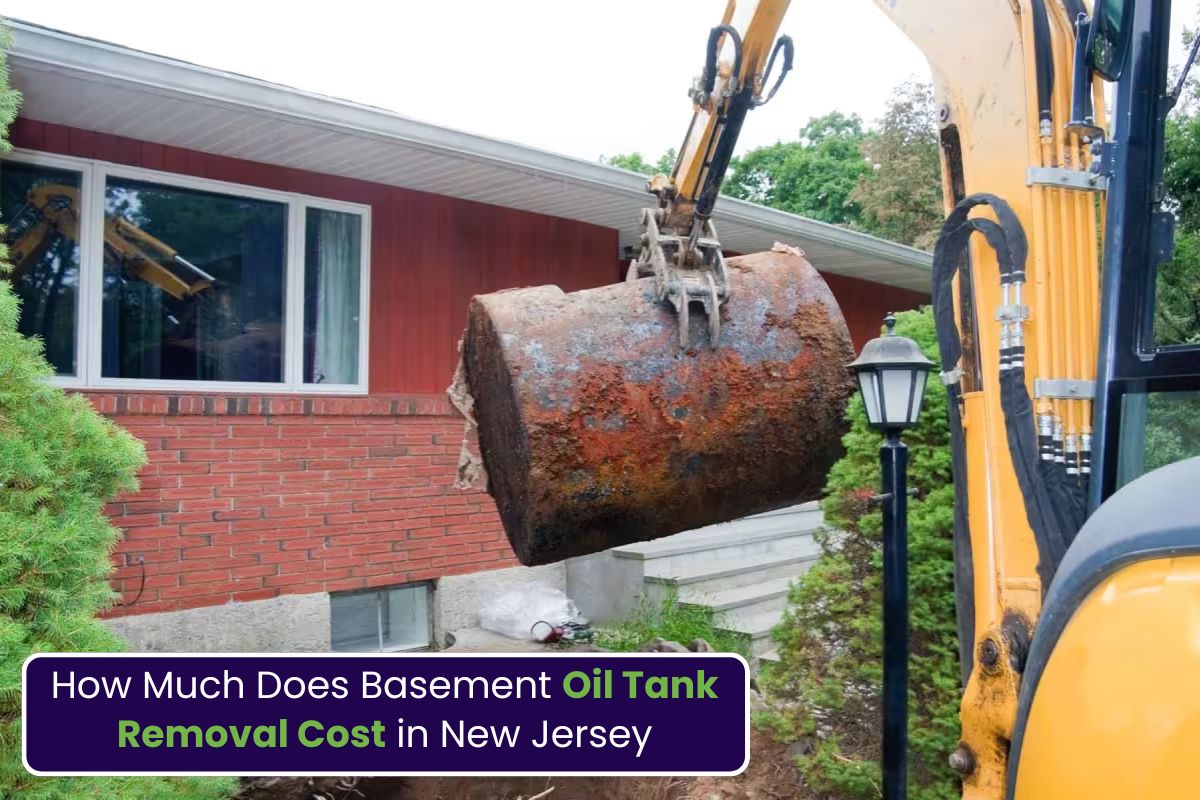
Many older homes across New Jersey still contain heating oil tanks in their basements. While these tanks were once a common heating solution, aging systems can create environmental concerns, safety risks, and challenges during property sales. Because of this, many homeowners are now considering basement oil tank removal to protect their homes and maintain property value.
The overall process involves more than simply removing a tank. Contractors often need to inspect the tank, clean residual oil, secure permits, disconnect fuel lines, and safely dispose of old materials. Understanding these steps can help homeowners make informed decisions and avoid future complications. In this guide, we will explain the important factors involved in basement oil tank removal in New Jersey, discuss environmental considerations, and help homeowners understand what to expect during the process.
Understanding Basement Tank Removal Services
Basement tank removal services typically include inspection, preparation, tank cleaning, fuel line disconnection, and safe removal from the property. Professional contractors also evaluate whether the tank shows signs of corrosion, leakage, or structural weakness before beginning work.
Older basement tanks may contain sludge, oil residue, or rust buildup that requires careful handling. Removal specialists use proper equipment and safety procedures to reduce environmental risks and protect indoor air quality during the process. Homeowners should also understand that basement access can affect the complexity of removal. Narrow staircases, confined spaces, or oversized tanks may require additional planning and specialized equipment.
Important Factors That Affect Oil Tank Removal Cost
Several factors influence the oil tank removal cost for residential properties in New Jersey. One of the biggest considerations is the tank’s condition. A clean and structurally stable tank is usually easier to remove than a damaged or deteriorated system. Other important factors include:
-Tank size and location
-Ease of basement access
-Presence of sludge or oil residue
-Required permits and inspections
-Environmental testing requirements
-Need for soil or contamination assessment
If a contractor discovers evidence of leakage or contamination, additional environmental services may become necessary. This is why early inspections are important for homeowners with aging oil tanks.
Why Proper Oil Tank Disposal Matters
Safe oil tank disposal is an essential part of the removal process. Old tanks cannot simply be discarded as ordinary construction waste because they may contain hazardous residue or petroleum byproducts.
Licensed contractors follow state and local environmental regulations to ensure proper disposal procedures. Tanks are typically drained, cleaned, cut if necessary, and transported to approved recycling or disposal facilities. Improper disposal can lead to environmental penalties and contamination concerns. Working with experienced professionals helps homeowners avoid unnecessary risks and ensures compliance with New Jersey environmental guidelines.
Understanding Heating Oil Tank Removal Cost Considerations
The heating oil tank removal cost can vary depending on the complexity of the project and the condition of the tank. Indoor tanks located in basements often require careful maneuvering to avoid damaging walls, flooring, or stairways during removal.
Another important consideration is whether the tank is still connected to an active heating system. Contractors may need to disconnect pipes, remove old fuel lines, and inspect surrounding areas before proceeding. Homeowners searching for reliable solutions for oil tank removal in New Jersey should also prioritize contractors with environmental experience and proper licensing. Choosing qualified professionals helps ensure the project is completed safely and according to regulations.
Risks Associated With Old Oil Tank Removal
Old oil tank removal is often recommended when tanks show signs of aging, rust, or deterioration. Even tanks that appear stable from the outside may have hidden corrosion inside. Some common warning signs include:
-Rust or visible corrosion
-Oil odors in the basement
-Staining near the tank base
-Uneven tank positioning
-Frequent heating issues
-Moisture buildup around the tank
Leaving an aging tank in place for too long may increase the likelihood of leaks and environmental damage. Removing older systems proactively can help homeowners avoid more serious problems later.
Basement Fuel Tank Removal and Home Safety
Basement fuel tank removal plays an important role in maintaining a safe living environment. Aging tanks can create indoor air quality concerns if fumes or oil vapors begin escaping into enclosed spaces.
In addition, older tanks may weaken structurally over time, increasing the possibility of sudden leaks. Basement leaks can spread quickly through flooring and foundation areas, creating expensive cleanup challenges. Professional removal helps eliminate these risks while also improving overall home safety and reducing future environmental concerns.
Underground and Basement Oil Tank Removal Differences
Underground and basement oil tank removal projects involve different procedures and environmental considerations. Basement tanks are typically easier to access because they are located inside the home, while underground tanks often require excavation and soil testing.
However, basement systems can still present challenges if the tank is oversized or located in a difficult-to-reach area. Contractors must evaluate ventilation, accessibility, and potential contamination risks before starting the removal process. Understanding these differences helps homeowners prepare for inspections and choose the appropriate removal strategy for their property.
Why Oil Tank Cleaning and Removal Go Together
Oil tank cleaning and removal are usually performed together to ensure safe handling and transportation of the tank. Before removal, contractors clean out remaining fuel, sludge, and hazardous residue from inside the system. This cleaning process helps:
-Reduce fire hazards
-Prevent spills during removal
-Improve workplace safety
-Ensure environmental compliance
-Allow proper disposal or recycling
Professional cleaning is especially important for older tanks that have accumulated heavy sludge over many years of use.
Understanding Oil Tank Removal Permits in New Jersey
Oil tank removal permits are often required before work can begin. Permit requirements may vary depending on the municipality and the type of tank being removed.
Permits help ensure that removal work follows environmental and construction regulations. Some towns may also require inspections after removal to confirm the property is safe and compliant. Working with experienced contractors can simplify the permit process because they often handle documentation, scheduling, and inspection coordination on behalf of homeowners.
Why Leaking Oil Tank Removal Requires Immediate Attention
Leaking oil tank removal should never be delayed. Even small leaks can spread into flooring, concrete, and nearby structures, potentially leading to environmental contamination.
In some cases, oil may seep into surrounding soil or groundwater, creating long-term cleanup concerns. Fast action helps minimize damage and may reduce the extent of remediation work required. Homeowners who notice strong odors, staining, or unexplained moisture near their oil tank should contact professionals for inspection as soon as possible.
The Role of Environmental Oil Tank Services
Environmental oil tank services are designed to protect both homeowners and surrounding ecosystems during the removal process. These services may include:
-Environmental inspections
-Soil testing
-Groundwater evaluation
-Contamination assessments
-Site remediation recommendations
Environmental professionals help identify potential risks early and ensure all removal work complies with state environmental standards. These services are especially important for older homes where tanks may have been in place for decades without inspection.
What Is Basement Oil Tank Decommissioning?
Basement oil tank decommissioning refers to the process of safely taking an oil tank out of service. This may involve disconnecting the system, removing residual fuel, cleaning the tank, and preparing it for removal or abandonment according to local regulations.
Decommissioning helps reduce environmental risks while ensuring the heating system is safely shut down. Proper documentation may also be useful for future home sales or property inspections. Many homeowners choose professional decommissioning services to ensure every step is completed correctly and safely.
FAQs
Q1. How do I know if my basement oil tank should be removed?
Signs such as rust, oil odors, corrosion, staining, or an aging heating system may indicate the tank should be inspected or removed.
Q2. Are permits required for basement oil tank removal in New Jersey?
Yes, many municipalities in New Jersey require permits before removal work begins.
Q3. Can an old basement oil tank leak without visible damage?
Yes. Internal corrosion may cause hidden leaks before visible exterior damage appears.
Q4. Why is oil tank cleaning necessary before removal?
Cleaning removes sludge and oil residue, helping ensure safer handling and proper disposal.
Q5. What happens if contamination is discovered during removal?
Environmental professionals may recommend soil testing, remediation, or additional cleanup procedures.
Summary
Basement oil tank removal is an important step for homeowners looking to improve safety, reduce environmental risks, and prepare their property for the future. From inspections and permits to cleaning and disposal, every stage of the process should be handled carefully by experienced professionals. Companies like Simple Tank Services help homeowners navigate the removal process with professional environmental solutions and reliable service across New Jersey.