
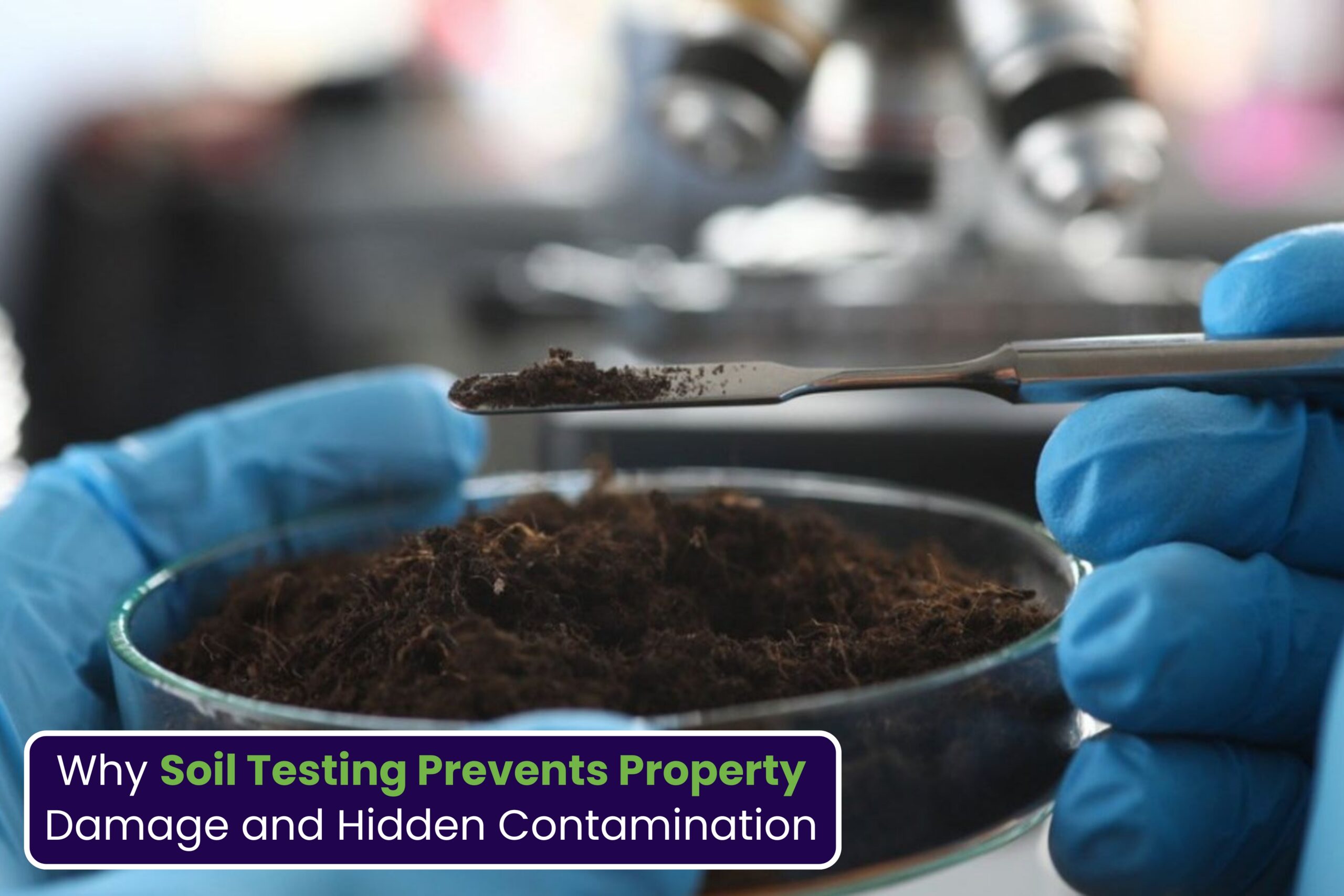
When it comes to protecting your property, what you don’t see beneath the surface can cause the most damage. Many property owners focus on visible features like buildings, landscaping, and utilities, but the condition of the soil plays a crucial role in long-term safety and stability.
Undetected soil issues can lead to structural damage, environmental hazards, and expensive repairs. That’s why soil testing is considered one of the smartest and most proactive steps you can take. Whether you’re buying land, planning construction, or maintaining an existing property, understanding your soil conditions can save you time, money, and stress.
What Is Soil Testing and Why Does It Matter?
Soil testing is the process of collecting and analyzing soil samples to determine their composition, stability, and potential contamination. It provides valuable insights into the physical and chemical properties of the ground beneath your property.
These tests can reveal:
– Soil type and structure
– Drainage capabilities
– pH levels and nutrient content
– Presence of contaminants such as chemicals or heavy metals
Without soil testing, you’re essentially making decisions without knowing what lies beneath. This uncertainty can lead to serious consequences, especially when building or installing systems like septic tanks.
How Soil Testing Prevents Property Damage
One of the primary reasons soil testing is essential is its ability to prevent costly property damage. Soil conditions directly impact the stability and durability of structures.
Identifying Weak or Unstable Soil
Not all soil is suitable for construction. Some types may shift, settle, or erode over time, causing foundations to crack or become uneven. Soil testing helps identify these risks before construction begins, allowing for proper planning and reinforcement.
Avoiding Drainage Issues
Poor drainage is a common cause of property damage. Water that doesn’t drain properly can accumulate around foundations, leading to leaks, mold growth, and structural deterioration.
By understanding how your soil handles water, you can implement the right drainage solutions and prevent long-term damage.
Preventing Soil Erosion
Erosion can weaken the ground and compromise the integrity of your property. Soil testing helps determine erosion risks and guides the use of protective measures such as grading, vegetation, or retaining structures.
Detecting Hidden Soil Contamination
One of the biggest threats to any property is contamination that isn’t immediately visible. Soil can become polluted from a variety of sources, and without testing, these hazards often go unnoticed.
Common Sources of Soil Contamination
– Leaking underground storage tanks
– Industrial or commercial activities
– Agricultural chemicals like pesticides and fertilizers
– Failing septic systems
– Improper waste disposal
These contaminants can remain in the soil for years, posing risks to human health, groundwater, and the surrounding environment.
Why Early Detection Matters
Soil testing allows you to detect contamination early, before it spreads or worsens. Addressing the issue at an early stage is significantly more affordable and less complicated than dealing with widespread environmental damage.
The Importance of Soil Testing for Septic Systems
If your property relies on a septic system, soil testing is not optional, it’s essential. The soil acts as a natural filter that treats wastewater before it returns to the environment.
Different soil types affect how well a septic system performs:
– Clay soil: Holds water, increasing the risk of system failure
– Sandy soil: Drains quickly but may not filter contaminants effectively
– Loamy soil: Offers balanced drainage and filtration
Without proper soil testing, installing a septic system can lead to contamination, system breakdowns, and costly repairs. This is why soil testing is a critical step before any septic installation or replacement.
Why Soil Testing Is Critical Before Buying or Developing Property
Soil testing is a smart investment for anyone involved in real estate or property development. It provides the information needed to make confident, informed decisions.
For Property Buyers
Before purchasing land, soil testing ensures that the property is safe and suitable for your intended use. It helps you avoid buying land with hidden contamination or structural risks.
For Property Developers
Developers rely on soil testing to design safe and efficient structures. It helps avoid delays, redesigns, and unexpected expenses during construction.
For Property Owners
Even if you already own your property, soil testing can identify potential issues early and help you maintain its value over time.
Soil Testing in New Jersey: Why It’s Especially Important
Soil conditions and environmental regulations can vary by region, making localized testing even more important. For example, soil testing in New Jersey is often required due to strict environmental guidelines and the presence of older properties with potential underground storage tanks or aging septic systems.
In areas with a history of industrial activity or dense development, the risk of soil contamination can be higher. Conducting soil testing in New Jersey ensures compliance with local regulations while protecting your investment from unexpected liabilities.
Additionally, proper testing helps property owners meet environmental standards and avoid fines or delays during property transactions or construction projects.
The Soil Testing Process: What to Expect
Understanding how soil testing works can help you see its value more clearly. While the exact process may vary, it generally includes:
Site Inspection
Professionals evaluate the property to determine the best sampling locations.
Soil Sampling
Samples are collected from different areas and depths to ensure accurate results.
Laboratory Analysis
The samples are tested for:
– Chemical composition
– Contaminants
– Moisture levels
– Soil structure
Detailed Reporting
You receive a report outlining the findings along with recommendations for addressing any issues.
This process provides a clear picture of your soil’s condition and helps guide your next steps.
Signs You May Need Soil Testing
While soil testing is always a good preventive measure, certain warning signs indicate it’s especially necessary:
– Unusual odors coming from the ground
– Poor plant growth or dead patches in landscaping
– Standing water or persistent drainage issues
– Nearby industrial or agricultural activity
– History of fuel tanks or chemical storage on the property
If you notice any of these signs, soil testing should be a priority to avoid further complications.
Long-Term Benefits of Soil Testing
Investing in soil testing offers benefits that extend far beyond immediate problem detection:
Cost Savings
By identifying issues early, you can avoid expensive repairs and environmental cleanup.
Improved Safety
Soil testing protects your family, tenants, or occupants from exposure to harmful contaminants.
Better Property Planning
Accurate soil data allows for smarter decisions when building, landscaping, or installing systems.
Environmental Protection
Testing helps prevent pollution and supports sustainable land use practices.
Increased Property Value
A property with verified soil safety is more attractive to buyers and investors.
FAQs
Q1. Why is soil testing important before buying a property?
Soil testing helps identify hidden issues like contamination, poor drainage, or unstable ground. It ensures the property is safe and suitable for construction, helping buyers avoid costly repairs and environmental risks.
Q2. What contaminants can soil testing detect?
Soil testing can detect harmful substances such as petroleum products, heavy metals, pesticides, and chemicals from old storage tanks or industrial activity. Early detection helps prevent health hazards and environmental damage.
Q3. How much does soil testing in New Jersey cost?
The cost of soil testing in New Jersey varies depending on factors like property size, type of testing required, and site conditions. Basic tests may be affordable, while more detailed contamination analysis can increase the overall cost.
Q4. When should I conduct soil testing on my property?
Soil testing should be done before buying land, starting construction, installing a septic system, or if contamination is suspected. Regular testing is also recommended for long-term property maintenance.
Q5. Can soil testing help prevent septic system failure?
Yes, soil testing plays a critical role in septic system performance. It ensures the soil has the right drainage and filtration properties, helping prevent system failure, contamination, and expensive repairs.
Final Thoughts
Soil testing is one of the most effective ways to protect your property from hidden risks and costly damage. It provides the knowledge you need to make informed decisions, whether you’re buying, building, or maintaining a property.
Ignoring soil conditions can lead to serious consequences, including contamination, structural issues, and financial losses. On the other hand, proactive soil testing helps you identify problems early and take the right steps to address them.
From preventing foundation damage to detecting harmful contaminants, soil testing is a smart investment that pays off in the long run. If you want to safeguard your property and avoid unexpected expenses, working with experienced professionals like Simple Tank Services ensures accurate testing, reliable results, and peace of mind.