
Introduction
Oil tanks are a critical part of many residential and commercial heating systems, especially in older properties. While they are designed to be durable, they are not immune to wear and tear. Over time, cracks and leaks can develop—often silently—leading to costly repairs, environmental damage, and even health risks.
Recognizing the early warning signs of oil tank issues is essential. Ignoring these signs can escalate minor problems into major liabilities. In this guide, we’ll walk you through the most important indicators that your oil tank may be compromised and what actions you should take.
Understanding Why Oil Tanks Crack and Leak
Oil tanks deteriorate due to several factors. Age is one of the most common reasons—most tanks have a lifespan of 15 to 30 years. Beyond that, corrosion becomes a serious concern.
Common Causes of Oil Tank Damage
-Internal corrosion caused by water accumulation
-External rust from moisture and soil exposure
-Structural stress or improper installation
-Poor maintenance or lack of inspection
Over time, these issues can weaken the tank’s integrity, eventually leading to cracks or leaks.
Key Signs of Oil Tank Cracks & Leaks
1. Unusual Increase in Heating Bills
If your heating costs suddenly rise without any change in usage, it may indicate oil loss due to a leak. Even a small crack can cause significant oil waste over time.
This is often one of the earliest warning signs and should never be ignored.
2. Oil Odor Around Your Property
A strong smell of oil inside or outside your home is a clear indication that something is wrong.
Heating Oil Tank Leak Detection
Detecting leaks early can save you from major expenses. If you notice a persistent oil smell:
-Check around the tank and surrounding soil
-Inspect nearby drains or basements
-Look for oil residue
This is where proper heating oil tank leak detection becomes critical in preventing environmental contamination.
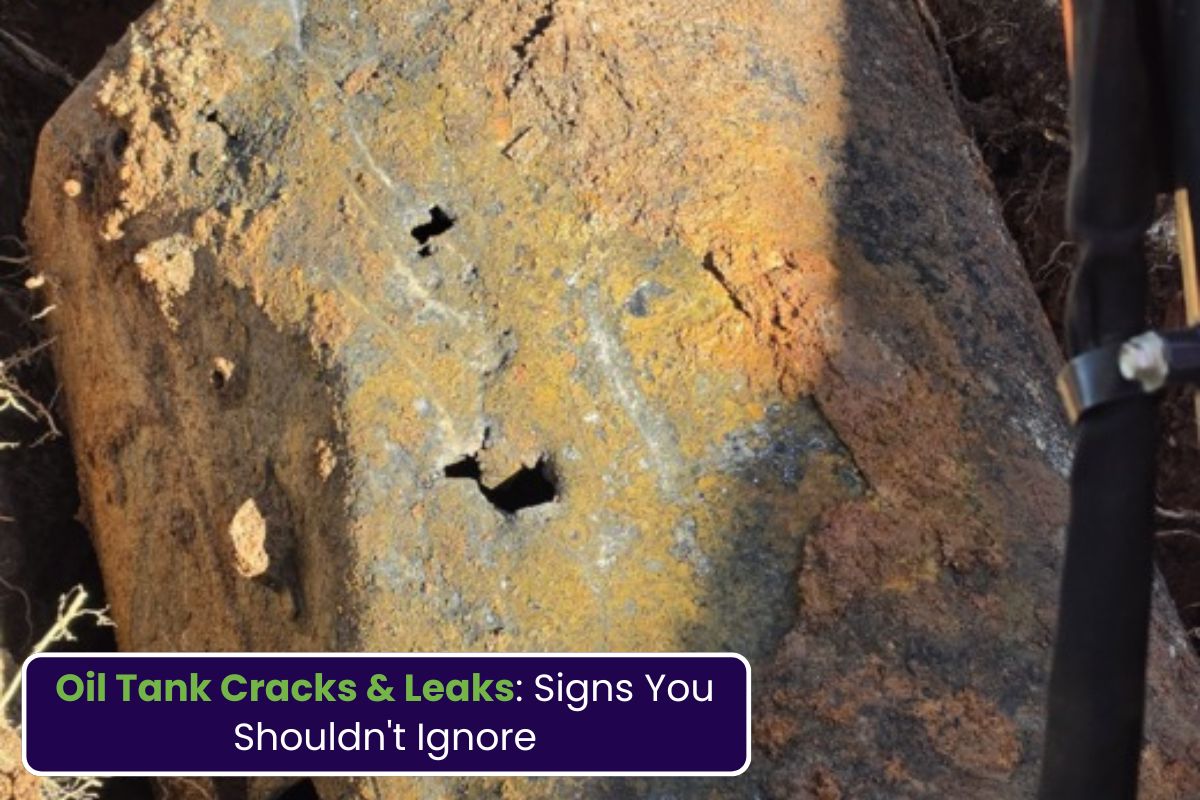
3. Visible Rust, Cracks, or Wet Spots
Physical inspection of your tank can reveal a lot. Look for:
-Rust patches or corrosion
-Small cracks or bulges
-Wet or oily spots on the tank surface
These signs suggest structural weakness and potential leakage.
4. Contaminated Soil or Dead Vegetation
Oil Tank Leak Signs
If you notice patches of dead grass or soil discoloration near your tank, it could indicate a leak underground.
Oil contamination can:
-Kill plants and grass
-Pollute groundwater
-Create hazardous living conditions
These oil tank leak signs are especially important for outdoor or buried tanks.
5. Water in the Tank
Water accumulation inside the tank accelerates corrosion. It often enters through condensation or small openings.
Underground Oil Tank Problems
For buried tanks, this issue is more severe. Common underground oil tank problems include:
-Hidden corrosion
-Soil contamination
-Difficult leak detection
Regular inspection is essential to avoid long-term damage.
Risks of Ignoring Oil Tank Leaks
Ignoring oil tank issues can lead to serious consequences:
-Environmental Damage: Oil leaks contaminate soil and groundwater
-Health Hazards: Fumes can affect indoor air quality
-Costly Repairs: Cleanup and remediation can be extremely expensive
-Legal Liabilities: Property owners may face penalties for environmental damage
Addressing problems early is always more cost-effective than dealing with major damage later.
When to Consider Professional Help
If you notice any of the warning signs mentioned above, it’s time to consult professionals.
Residential Oil Tank Inspection
A professional residential oil tank inspection includes:
-Structural integrity assessment
-Leak detection tests
-Soil and environmental checks
Experts use advanced tools to identify hidden issues that are not visible to the naked eye.
In many cases, inspection results may indicate that replacement or removal is the safest option.
Importance of Timely Oil Tank Removal
When a tank is beyond repair, removal becomes necessary. Delaying this step increases risks and costs.
For homeowners dealing with aging or leaking tanks, opting for Oil Tank Removal in New Jersey ensures compliance with local regulations and prevents environmental hazards.
Additionally, professional services ensure:
-Safe removal procedures
-Proper disposal of hazardous materials
-Site cleanup and restoration
If your tank shows multiple signs of failure, investing in Oil Tank Removal in New Jersey is a proactive decision that protects both your property and the environment.
Preventive Measures to Avoid Oil Tank Leaks
Prevention is always better than cure. Here are some best practices:
-Schedule regular inspections
-Keep the tank clean and dry
-Monitor oil levels and usage
-Replace old tanks before failure
-Install leak detection systems
These steps can significantly extend the lifespan of your tank and reduce the risk of unexpected issues.
FAQs
Q1. What are the first signs of an oil tank leak?
The earliest signs include unusual heating bill increases, oil odors, and visible rust or wet spots around the tank.
Q2. How often should I inspect my oil tank?
It is recommended to conduct a professional inspection at least once a year, especially for older tanks.
Q3. Can a small oil tank leak cause major damage?
Yes, even minor leaks can contaminate soil and groundwater, leading to costly cleanup and environmental risks.
Q4. Is it necessary to remove an old oil tank?
If the tank shows signs of corrosion, leaks, or structural damage, removal is often the safest and most cost-effective solution.
Q5. How do professionals detect underground oil tank leaks?
Experts use advanced techniques such as soil testing, pressure testing, and specialized detection equipment.
Summary
Oil tank cracks and leaks are not problems you can afford to ignore. From rising heating bills to environmental contamination, the consequences can be severe if left unaddressed. Early detection, regular inspections, and timely action are key to avoiding costly repairs and health risks.
If you suspect any issue, consulting professionals is the safest approach. Trusted providers like Simple Tank Services offer expert solutions to ensure your property remains safe and compliant. Taking action today can save you from significant expenses and stress in the future.