
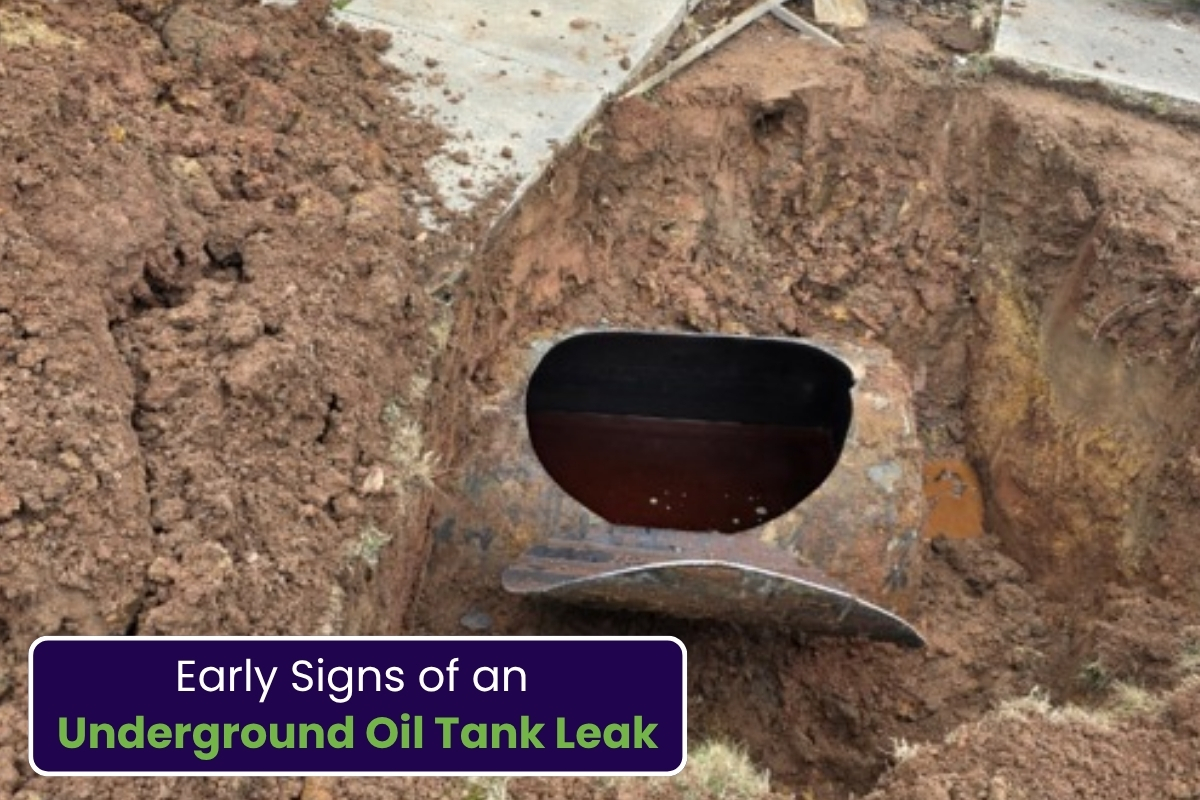
Underground oil tanks are commonly used for heating systems in older homes, especially across colder regions. While they serve an important purpose, these tanks can become a hidden liability over time. A leak often starts small but can quickly escalate into environmental hazards, costly repairs, and legal complications if not addressed early.
Understanding the warning signs of a leaking underground oil tank helps property owners act before the situation worsens. Early detection not only protects your property but also reduces cleanup costs and ensures compliance with environmental regulations.
Why Early Detection of Underground Oil Tank Leaks Matters
An underground oil tank leak is not always visible at first, which makes it particularly dangerous. Oil can seep into the soil, contaminate groundwater, and spread beyond your property lines. This can lead to serious environmental damage and expensive remediation processes.
Additionally, property value can drop significantly if contamination is detected. In many cases, homeowners are required to handle cleanup before selling or refinancing their property. That’s why early detection is critical—not just for safety, but also for financial protection.
Common Signs of a Leaking Underground Oil Tank
Unexplained Increase in Oil Consumption
If your heating system suddenly starts using more oil than usual, it could indicate a leak. Even a small crack in the tank can result in a gradual loss of fuel over time.
Strong Oil Odor Around Property
A noticeable oil smell inside your home or near your yard is often one of the first warning signs. This odor may become stronger in warmer weather or after rainfall.
Soil or Grass Discoloration
Leaking oil can affect the surrounding soil and vegetation. You may notice patches of dead grass, oily residue, or darkened soil near the tank location.
Presence of Oil Sheen in Water
If you see a rainbow-like sheen in nearby puddles or water sources, it may indicate oil contamination. This is a serious sign that requires immediate attention.
Heating Oil Tank Leak Warning Signs in Older Systems
Older tanks are more vulnerable to corrosion and structural failure. Recognizing heating oil tank leak warning signs early can help prevent extensive damage.
Corrosion and Rust Formation
Over time, metal tanks begin to corrode due to moisture exposure. Rust weakens the tank walls, increasing the likelihood of leaks.
Wet Spots or Oil Stains Near Tank
If you notice damp areas or oil stains near where the tank is buried, it’s a clear indication that oil may be escaping.
Malfunctioning Heating System
Air entering the fuel line due to a leak can cause inconsistent heating performance or system shutdowns.
Environmental Impact of Underground Oil Tank Leaks
Leaks from underground tanks don’t just affect your property—they can have broader environmental consequences. Oil contamination can seep into groundwater, affecting drinking water supplies and nearby ecosystems.
In many areas, environmental agencies enforce strict regulations regarding contamination cleanup. Ignoring the issue can result in penalties, legal action, and mandatory remediation costs. This makes addressing leaks promptly a necessity rather than an option.
When to Consider Residential Oil Tank Replacement Signs
Sometimes, repairing a tank is not enough. Recognizing residential oil tank replacement signs helps you decide when it’s time for a complete upgrade.
Aging Tank System
Most underground tanks have a lifespan of 15–25 years. If your tank is older, replacement is often the safer and more cost-effective option.
Frequent Repairs
If you find yourself repeatedly fixing issues, it may be more practical to replace the tank entirely.
Visible Structural Damage
Cracks, dents, or significant corrosion are clear indicators that the tank is no longer reliable.
Soil Contamination from Oil Tank: What to Look For
One of the most serious consequences of a leak is soil contamination from oil tank systems. This issue can spread quickly and become expensive to resolve.
Persistent Fuel Smell in Soil
Even after cleaning, a lingering oil smell indicates deeper contamination.
Poor Plant Growth
Oil-contaminated soil loses its ability to support healthy vegetation, leading to patchy or dying plants.
Changes in Soil Texture
Contaminated soil may appear greasy or unusually compacted due to oil saturation.
How to Check Underground Oil Tank Leak Early
Taking proactive steps can help identify issues before they escalate. Knowing how to check underground oil tank leak problems early can save you thousands in repair costs.
Schedule Regular Inspections
Professional inspections can detect leaks that are not visible to the naked eye. Experts use specialized equipment to assess tank integrity.
Monitor Fuel Levels
Keep track of your oil usage. Unexpected drops may indicate a hidden leak.
Install Leak Detection Systems
Modern systems can alert you to leaks in real time, allowing for immediate action.
What to Do If You Suspect a Leak
If you notice any of the signs mentioned above, it’s important to act quickly. Delaying action can worsen the damage and increase costs.
Start by contacting a professional service provider to inspect the tank. If a leak is confirmed, you may need to consider oil tank removal in New Jersey to prevent further contamination and comply with local regulations. In many cases, early intervention makes the process simpler and less expensive.
Choosing the Right Solution for Long-Term Safety
Addressing a leaking underground oil tank requires a strategic approach. Depending on the severity, you may need repairs, replacement, or complete removal.
Homeowners often explore oil tank removal in New Jersey as a permanent solution to eliminate risks and improve property safety. This option not only prevents future leaks but also increases property value and ensures environmental compliance.
FAQs
Q1. How do I know if my underground oil tank is leaking?
Common signs include strong oil odors, increased fuel usage, dead vegetation, and oil stains in soil or water.
Q2. Is a leaking oil tank dangerous?
Yes, it can contaminate soil and groundwater, pose health risks, and lead to expensive cleanup requirements.
Q3. How often should underground oil tanks be inspected?
It’s recommended to have professional inspections every 1–2 years, especially for older tanks.
Q4. Can a leaking oil tank be repaired?
Minor issues may be repaired, but severe damage often requires replacement or removal.
Q5. What is the best solution for old underground oil tanks?
In many cases, complete removal is the safest and most cost-effective long-term solution.
Summary
Detecting a leaking underground oil tank early can save you from costly repairs, environmental damage, and legal issues. By understanding the warning signs—such as unusual oil usage, odors, soil discoloration, and system malfunctions—you can take timely action to protect your property.
Regular inspections, monitoring fuel levels, and addressing issues promptly are key steps in preventing serious problems. Whether you need repairs or complete oil tank removal in New Jersey, taking action early ensures long-term safety and peace of mind. With expert support from professionals like Simple Tank Services., homeowners can confidently manage oil tank concerns and maintain a safe, compliant property.