
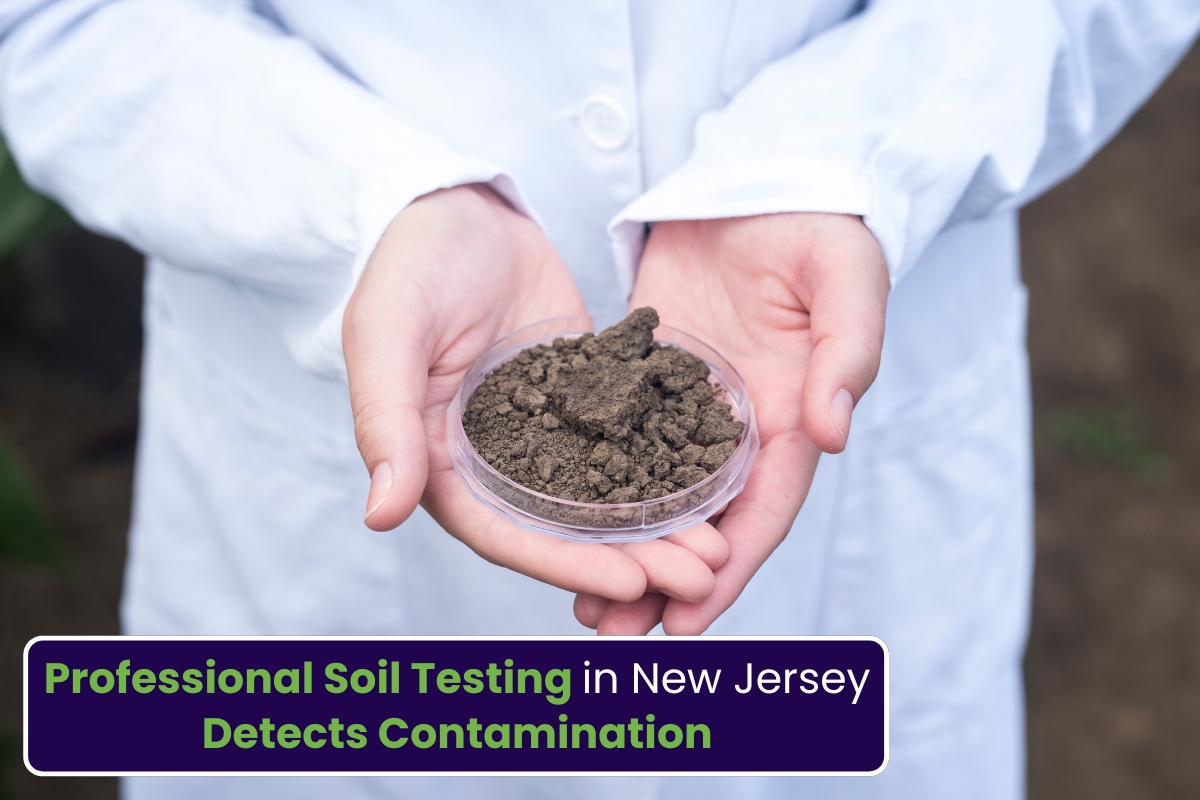
Soil contamination is a serious environmental concern that can affect property safety, groundwater quality, and overall land usability. In regions like New Jersey—where residential, commercial, and industrial developments have existed for decades—hidden soil pollutants are more common than many property owners realize. Contaminants may come from leaking underground oil tanks, chemical spills, construction debris, or historical industrial activity.
This article explains how professional soil testing in New Jersey helps detect soil contamination, why it is important for property owners, and how modern testing methods identify pollutants such as oil leaks and chemical residues.
Why Soil Contamination Is a Concern in New Jersey
New Jersey has a long history of residential development, manufacturing, transportation infrastructure, and fuel storage. Because of this, many properties may contain contaminants left behind from older systems such as underground oil tanks, industrial equipment, or previous land use. Common sources of soil contamination include:
-Leaking underground heating oil tanks
-Fuel storage systems and pipelines
-Industrial chemical spills
-Improper waste disposal
-Agricultural chemicals and pesticides
-Construction debris or hazardous materials
When these contaminants seep into the soil, they can spread through the ground and potentially reach groundwater sources. This creates risks not only for the environment but also for homeowners, buyers, and developers.
Soil Contamination Testing and Environmental Risk Assessment
Soil contamination testing is the process of collecting soil samples and analyzing them in a certified laboratory to determine whether harmful substances are present. Environmental specialists conduct this testing using strict procedures to ensure accuracy and reliability.
The process usually begins with a site evaluation. Experts review the property’s history to identify potential contamination risks. For example, older homes may have previously used underground heating oil tanks, while commercial sites may have handled industrial chemicals.
Once potential risk areas are identified, technicians collect soil samples from multiple locations on the property. These samples are carefully labeled and sent to environmental laboratories where they are tested for contaminants such as:
-Petroleum hydrocarbons
-Heavy metals
-Chemical solvents
-Industrial compounds
-Organic pollutants
The laboratory analysis reveals whether contamination exists and how severe it may be. Based on these results, environmental professionals can recommend the next steps, such as soil remediation or further investigation. This process ensures that property owners have a clear understanding of environmental conditions before construction, renovation, or property transactions.
Professional Soil Testing for Accurate Environmental Evaluation
Professional soil testing is far more comprehensive than basic soil checks. Certified environmental specialists use advanced equipment, standardized sampling procedures, and laboratory analysis to produce reliable results. Professional testing includes several important steps:
Site History Review
Environmental experts analyze the history of the property to identify potential contamination risks. Past industrial activity, fuel storage, or construction work may indicate areas that require closer inspection.
Soil Sampling Procedures
Technicians collect soil samples at specific depths and locations to ensure a representative analysis of the site. Proper sampling techniques prevent cross-contamination and ensure accurate data.
Laboratory Analysis
Certified laboratories analyze the samples using specialized instruments capable of detecting even trace amounts of contaminants.
Environmental Reporting
After analysis, professionals provide detailed reports outlining findings, contamination levels, and recommended actions if pollutants are detected. These detailed reports are often required for environmental compliance, property transactions, and construction approvals in many areas of New Jersey.
Soil Contamination Detection Through Scientific Testing Methods
Modern soil contamination detection relies on scientific methods that can identify even small concentrations of hazardous substances. These advanced techniques help environmental professionals determine the presence and spread of pollutants beneath the surface. Some common testing methods include:
Chemical Analysis
Laboratories test soil samples for petroleum hydrocarbons, volatile organic compounds (VOCs), and heavy metals.
Gas Detection Monitoring
In certain cases, specialists monitor soil gases to detect vapors from petroleum products or chemical solvents.
Groundwater Monitoring
If contamination has spread beyond soil layers, groundwater testing may also be conducted to evaluate environmental impact.
Subsurface Investigation
Drilling and soil borings allow experts to examine deeper layers of soil where contaminants may accumulate. These scientific techniques ensure that contamination is detected accurately and early, reducing environmental risks and preventing larger problems in the future.
Oil Tank Leak Detection and Its Impact on Soil Health
One of the most common causes of soil contamination in residential areas is leaking underground oil tanks. Many older homes in New Jersey previously relied on underground tanks to store heating oil. Over time, these tanks can corrode and develop leaks. Even a small leak may release fuel into the surrounding soil, creating contamination that spreads underground.
Oil tank leak detection is an important part of professional soil testing. Environmental specialists inspect areas near current or former tanks and collect soil samples to determine whether petroleum products have entered the soil. Early detection of oil tank leaks helps prevent several problems:
-Environmental damage to soil and groundwater
-Property value reduction
-Complications during property sales
-Regulatory compliance issues
In some situations, contamination discovered during soil testing may also require related services such as oil tank removal in New Jersey, especially if an aging tank is still present on the property. Identifying leaks early helps property owners resolve issues before contamination spreads further underground.
Property Soil Inspection Before Buying or Developing Land
A thorough property soil inspection is often recommended before purchasing land or starting construction. Soil testing provides valuable information about environmental conditions that may affect development plans.
Buyers, developers, and property investors rely on soil inspection to identify potential environmental liabilities. If contamination exists, remediation may be required before building permits or property transfers can proceed.
Benefits of property soil inspection include:
-Identifying hidden contamination risks
-Ensuring environmental compliance
-Protecting investment value
-Preventing future legal complications
-Supporting safe construction planning
For residential buyers, soil testing offers peace of mind that the land is environmentally safe and free from hazardous substances.
Oil Spill Soil Testing for Environmental Protection
Accidental fuel spills or historical petroleum leaks can cause long-term damage to soil if not properly addressed. Oil spill soil testing is designed to evaluate the extent of contamination after a spill or suspected leak. Environmental specialists collect samples from affected areas to determine how far the oil has spread through the soil. This testing helps guide cleanup strategies and ensures that contaminated soil is properly managed.
Oil spill testing typically focuses on detecting petroleum hydrocarbons and related compounds that can remain in soil for extended periods. Once contamination levels are identified, environmental professionals may recommend soil remediation methods such as:
-Excavation of contaminated soil
-Bioremediation using natural microorganisms
-Soil vapor extraction
-Environmental monitoring and follow-up testing
These solutions help restore soil quality and reduce environmental risks associated with petroleum contamination.
Environmental Regulations and Soil Testing Requirements
New Jersey has strict environmental regulations designed to protect land and water resources. Many property transactions and development projects require environmental assessments, including soil testing, to ensure compliance with state guidelines. Professional soil testing helps property owners meet these regulatory requirements by providing documented evidence of environmental conditions. Environmental testing may be required in situations such as:
-Property sales involving older buildings
-Land redevelopment projects
-Suspected underground oil tank leaks
-Industrial property transfers
-Environmental site assessments
By identifying contamination early, property owners can address environmental issues and move forward with development plans without unexpected delays.
The Long-Term Benefits of Professional Soil Testing
Professional soil testing provides long-term benefits that extend beyond simple contamination detection. By understanding the environmental condition of a property, owners can make informed decisions about maintenance, development, and environmental protection. Key advantages include:
-Early identification of environmental hazards
-Protection of groundwater and ecosystems
-Improved property value and safety
-Compliance with environmental regulations
-Reduced risk during property transactions
Investing in proper soil testing helps property owners avoid costly environmental complications and ensures responsible land management.
FAQs
Q1. What is soil contamination?
Soil contamination occurs when hazardous substances such as chemicals, petroleum products, or heavy metals enter the soil and negatively affect its quality and safety.
Q2. Why is professional soil testing important?
Professional soil testing identifies harmful pollutants in soil using scientific analysis, helping property owners understand environmental risks and take corrective action.
Q3. Can underground oil tanks cause soil contamination?
Yes. Aging or corroded underground oil tanks can leak heating oil into the surrounding soil, leading to petroleum contamination.
Q4. When should property owners consider soil testing?
Soil testing is recommended before property purchases, construction projects, oil tank removal, or when contamination is suspected.
Q5. How are soil samples tested?
Samples are collected by environmental professionals and analyzed in certified laboratories to detect contaminants such as petroleum hydrocarbons, chemicals, and heavy metals.
Summary
Professional soil testing plays a vital role in detecting and addressing environmental contamination across New Jersey. Through careful site evaluations, soil sampling, and laboratory analysis, environmental specialists can identify pollutants such as petroleum leaks, chemical residues, and other hazardous substances hidden beneath the surface. Companies like Simple Tank Services assist property owners by providing reliable environmental inspections and solutions that help identify contamination risks and ensure properties remain safe and compliant with environmental regulations.