
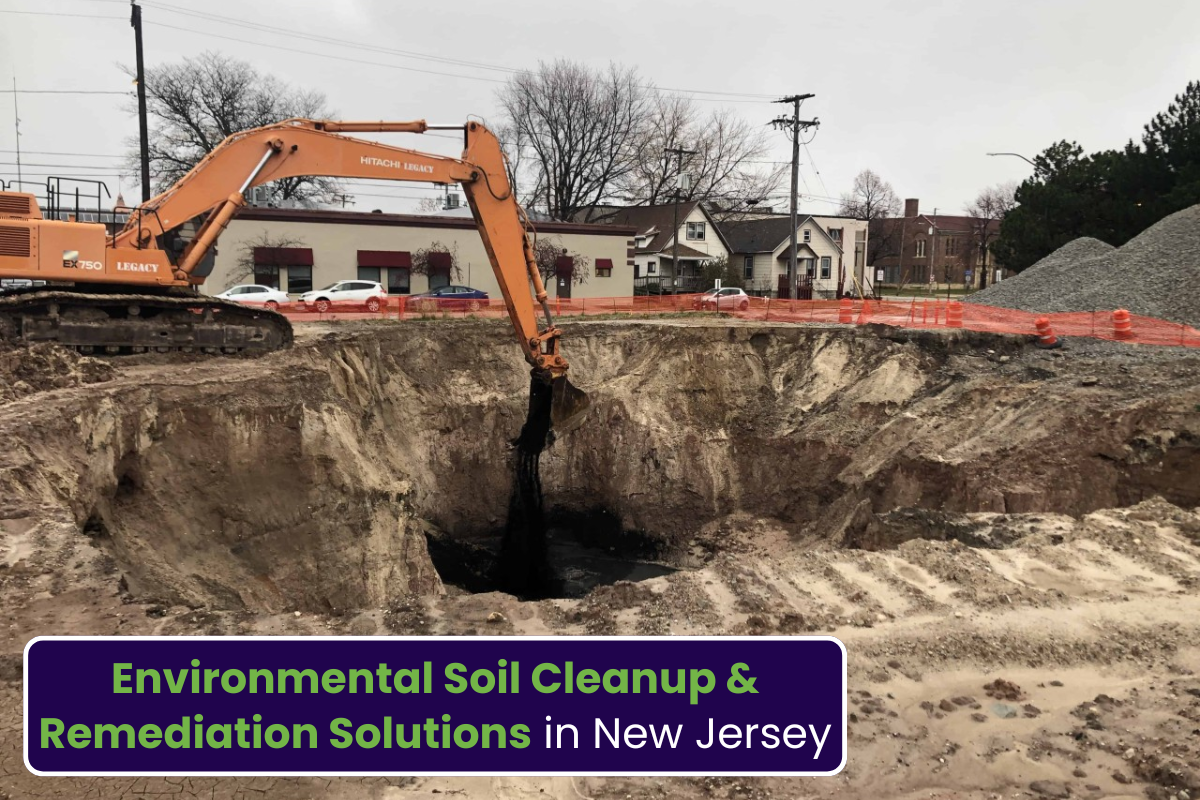
Industrial growth, commercial expansion, fuel storage systems, and aging underground tanks have all contributed to soil contamination issues across New Jersey. From residential properties to large industrial sites, environmental compliance is no longer optional — it is a legal and financial necessity. Property owners, developers, and business operators must act quickly when contamination is discovered to avoid penalties, liability risks, and project delays.
Professional soil remediation in New Jersey plays a critical role in restoring land safety, protecting groundwater resources, and ensuring properties meet state environmental standards. Whether contamination results from petroleum leaks, chemical spills, or historic industrial use, a structured remediation approach can transform a compromised site into a safe, usable asset.
This guide explains the remediation process, available cleanup methods, regulatory considerations, and why working with experienced professionals ensures long-term success.
Understanding Soil Contamination in New Jersey
New Jersey has a long industrial history. Manufacturing plants, gas stations, storage facilities, and commercial properties often leave behind residual pollutants. Over time, these contaminants migrate through soil layers and can impact groundwater, nearby ecosystems, and public health.
Common sources of contamination include:
-Underground storage tank leaks
-Petroleum spills
-Hazardous waste disposal
-Industrial byproducts
-Construction site runoff
The state’s dense population and strict environmental regulations make early detection and remediation especially important. Soil contamination can delay property sales, construction permits, and redevelopment plans if not properly addressed.
Why Professional Soil Remediation Matters
Contaminated soil is not just an environmental concern; it is a financial liability. Left untreated, pollutants can spread deeper into the subsurface and increase cleanup costs significantly.
Professional remediation services provide:
-Environmental risk assessment
-Regulatory compliance documentation
-Site investigation and testing
-Safe contaminant removal
-Long-term monitoring plans
Timely soil remediation in New Jersey protects property value while preventing costly enforcement actions from environmental authorities.
The Soil Remediation Process Explained
Every contaminated site requires a tailored approach. However, most projects follow a structured process to ensure efficiency and compliance.
1. Site Assessment and Environmental Testing
The first step involves soil sampling and laboratory analysis. Environmental engineers identify:
-Type of contaminant
-Contamination depth
-Concentration levels
-Groundwater impact
This phase determines the remediation strategy and ensures accurate cost estimation.
2. Remediation Plan Development
Based on laboratory findings, specialists design a cleanup strategy that aligns with New Jersey environmental regulations. The remediation plan includes:
-Treatment method selection
-Project timeline
-Disposal procedures
-Safety protocols
3. Soil Cleanup and Treatment Implementation
Depending on contamination severity, professionals may use excavation, treatment, or in-place solutions to restore soil health.
Types of Soil Remediation Techniques
Different contamination scenarios require different cleanup technologies. Below are the most effective remediation methods used across the state.
Excavation and Off-Site Disposal
In cases of heavy contamination, affected soil is removed and transported to licensed disposal facilities. Clean fill material replaces the excavated soil to restore stability.
In-Situ Treatment Methods
In-situ remediation treats soil without excavation. Techniques include:
-Bioremediation (microorganisms break down contaminants)
-Chemical oxidation
-Soil vapor extraction
This method minimizes site disruption and reduces overall costs.
Thermal Treatment
Thermal systems use controlled heat to remove volatile contaminants such as petroleum compounds.
Groundwater Remediation Services
When contamination extends below the water table, groundwater remediation services become necessary. Pump-and-treat systems, filtration technology, and chemical treatments are commonly used to restore water quality and prevent migration.
The Importance of Underground Storage Tank Removal
A significant portion of soil contamination cases in New Jersey are linked to aging fuel tanks. Leaking tanks can release petroleum hydrocarbons into surrounding soil and groundwater.
Professional underground storage tank removal NJ services include:
-Tank excavation
-Soil testing around tank cavities
-Leak detection
-Safe disposal
-Regulatory reporting
Early tank removal prevents long-term environmental damage and reduces remediation expenses.
Industrial Site Cleanup in New Jersey
Older manufacturing facilities and commercial properties often require industrial site cleanup in NJ before redevelopment or resale. These sites may contain:
-Heavy metals
-Solvents
-Chemical residues
-Petroleum-based contaminants
Cleanup ensures compliance with environmental standards and allows developers to move forward with construction permits without regulatory delays.
Environmental Compliance and Regulatory Requirements
New Jersey maintains strict environmental standards to protect public health and groundwater resources. Property owners must follow state-approved remediation guidelines and obtain proper documentation before project completion.
Working with experienced environmental professionals ensures:
-Accurate reporting
-Compliance with state remediation standards
-Proper disposal of contaminated materials
-Clearance certification
Failing to meet compliance standards can result in heavy fines and legal complications.
Benefits of Professional Soil Cleanup
Investing in professional remediation services provides long-term benefits beyond regulatory compliance.
Protects Property Value
Contaminated properties lose market value. Remediation restores investor confidence and improves resale potential.
Prevents Health Risks
Exposure to contaminated soil can pose respiratory and chemical exposure risks. Cleanup eliminates potential hazards.
Supports Sustainable Development
Clean soil allows safe construction of residential, commercial, and industrial developments.
Reduces Long-Term Liability
Prompt remediation prevents contamination from spreading to adjacent properties and reduces future legal exposure.
Choosing the Right Soil Remediation Partner
Selecting a qualified environmental contractor is critical. Look for companies that offer:
-Licensed environmental professionals
-Proven remediation experience
-Advanced testing technology
-Transparent reporting
-Regulatory expertise
An experienced team will assess site conditions accurately and recommend the most cost-effective and compliant solution.
Environmental Responsibility and Community Safety
Beyond property protection, remediation contributes to broader environmental health. New Jersey relies heavily on groundwater resources. Preventing soil contamination protects drinking water supplies and natural ecosystems.
Responsible remediation demonstrates environmental stewardship while supporting safe urban and commercial growth.
Frequently Asked Questions
Q1. What is soil remediation?
Soil remediation is the process of removing or neutralizing contaminants from soil to restore it to safe and usable conditions.
Q2. How long does soil cleanup take?
Project duration depends on contamination severity, site size, and remediation method. Some projects take weeks, while others may require several months.
Q3. Is soil remediation mandatory in New Jersey?
Yes. If contamination exceeds state environmental limits, remediation is required to meet regulatory compliance standards.
Q4. What contaminants are commonly found in New Jersey soil?
Petroleum hydrocarbons, heavy metals, solvents, and industrial chemicals are among the most common contaminants.
Q5. Can contaminated soil affect groundwater?
Yes. Contaminants can migrate downward and impact groundwater sources, which is why early intervention is essential.
Summary
Environmental Soil Cleanup & Remediation Solutions in New Jersey focus on restoring contaminated properties through professional testing, excavation, in-situ treatment, groundwater restoration, and regulatory compliance services. With expert assessment and advanced remediation methods, property owners can protect public health, preserve groundwater quality, and maintain property value — delivered with trusted support from Simple Tank Services.