
Groundwater is a vital source of drinking water for homes, businesses, and industries across the state. When pollutants seep into underground water sources, the effects can last for decades and impact both public health and the environment. Groundwater Contamination in New Jersey has become a growing concern due to aging infrastructure, industrial activity, and improper waste handling.
This blog explains the major causes of groundwater pollution, the health risks involved, and who is responsible for cleanup under state regulations.
What Is Groundwater Contamination?
Groundwater contamination occurs when hazardous substances travel through soil and reach underground aquifers. These contaminants can spread slowly, making detection difficult until wells, rivers, or nearby properties are affected.
In New Jersey, contamination is often discovered during property sales, redevelopment projects, or environmental inspections. Once identified, the issue must be addressed in compliance with state environmental laws.
Common Causes of Groundwater Pollution
Industrial and Commercial Operations
Factories, warehouses, and service facilities may release chemicals such as petroleum products, solvents, or heavy metals. Even small leaks over time can lead to serious underground pollution.
Underground Storage Tank Failures
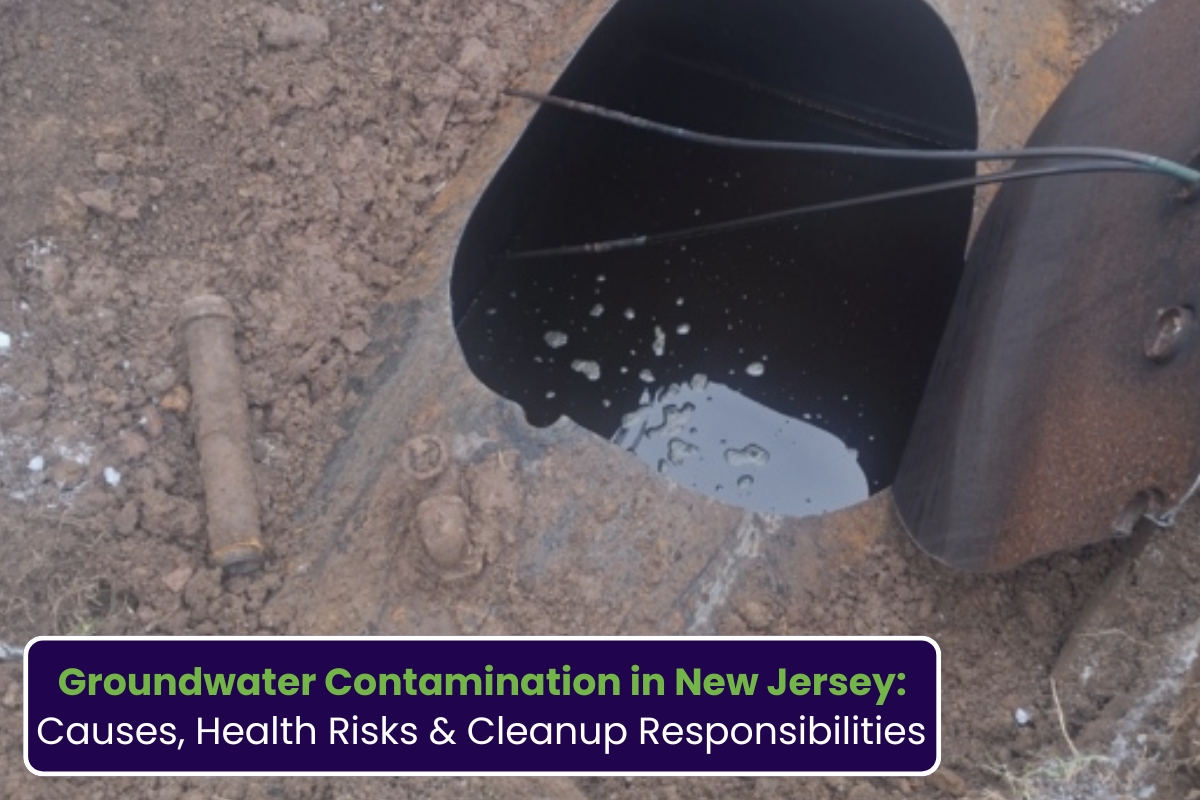
Leaking fuel and chemical tanks are one of the most common sources of groundwater contamination. Many older tanks corrode or crack, allowing hazardous substances to escape. This is why underground storage tank removal in New Jersey is often required when tanks are no longer safe or compliant.
Agricultural Chemical Use
Fertilizers, herbicides, and pesticides can seep into groundwater if overused or improperly applied. Rural and farming areas face a higher risk from this type of contamination.
Improper Waste Disposal
Illegal dumping, poorly designed landfills, and mishandled hazardous waste can allow toxins to migrate into groundwater systems, creating long-term environmental problems.
Health Risks Linked to Contaminated Groundwater
Polluted groundwater can affect people who rely on private wells or local water supplies. Exposure may occur through drinking, cooking, bathing, or irrigation.
Short-Term Health Effects
-Nausea and digestive issues
-Skin irritation
-Headaches and fatigue
Long-Term Health Concerns
-Increased cancer risk
-Liver and kidney damage
-Nervous system disorders
-Developmental issues in children
Many contaminants are invisible and odorless, making regular testing essential for early detection.
Environmental Impact on Communities
Groundwater pollution does not stay underground forever. Contaminants can move into nearby streams, lakes, and wetlands, harming aquatic life and plant ecosystems. Over time, this can reduce biodiversity and damage natural habitats that communities rely on for recreation and water resources.
Identifying Contamination Through Environmental Assessments
Before purchasing or redeveloping property, environmental due diligence is critical. A Phase I Environmental Site Assessment New Jersey helps identify potential contamination risks by reviewing historical land use and existing conditions.
If concerns are found, further investigation may be required to confirm groundwater contamination and determine the next steps.
Cleanup Responsibilities in New Jersey
Who Is Legally Responsible?
In most cases, the party that caused the contamination is responsible for cleanup costs. This may include:
-Property owners
-Business operators
-Tank owners or fuel suppliers
Responsibility can vary depending on site history and legal agreements.
Regulatory Oversight
Cleanup projects must follow strict state guidelines and are often overseen by licensed professionals. Environmental remediation services New Jersey providers ensure that remediation work meets legal and environmental standards.
Failure to comply with regulations can result in fines, legal action, and restrictions on property use.
Groundwater Remediation and Cleanup Methods
Treatment and Removal
Cleanup may involve removing contaminated soil, treating groundwater with filtration systems, or applying chemical treatments to neutralize pollutants.
Monitoring and Compliance
After cleanup, long-term monitoring is often required to ensure contamination does not return. This ongoing oversight is a standard part of groundwater contamination cleanup NJ efforts and protects nearby properties and water sources.
Why Professional Support Matters
Managing groundwater contamination is complex and highly regulated. Professional environmental services help property owners:
-Identify contamination accurately
-Choose effective cleanup solutions
-Meet legal requirements
-Reduce financial and environmental risk
Expert guidance ensures the issue is handled correctly from assessment to final clearance.
Frequently Asked Questions (FAQs)
Q1. What causes groundwater contamination most often in New Jersey?
Leaking underground storage tanks, industrial spills, and improper waste disposal are the most common causes.
Q2. How can groundwater contamination be detected?
Environmental assessments, soil testing, and groundwater sampling are the most reliable detection methods.
Q3. Is groundwater contamination dangerous to health?
Yes, long-term exposure can lead to serious health issues, including cancer and organ damage.
Q4. Who pays for groundwater cleanup?
Typically, the responsible party must cover cleanup costs, though liability can depend on site history.
Q5. Can contaminated groundwater be fully cleaned?
In many cases, groundwater can be treated to safe levels, but ongoing monitoring is often required.
Summary
Groundwater contamination poses serious risks to public health, property values, and the environment across New Jersey. Leaking tanks, industrial activity, and improper waste disposal are common contributors, and the effects can remain hidden for years. Understanding the causes, health impacts, and cleanup responsibilities allows property owners and businesses to take timely action. With proper assessment, remediation, and experienced support—such as assistance from Simple Tank Services—contaminated sites can be addressed safely and responsibly.