
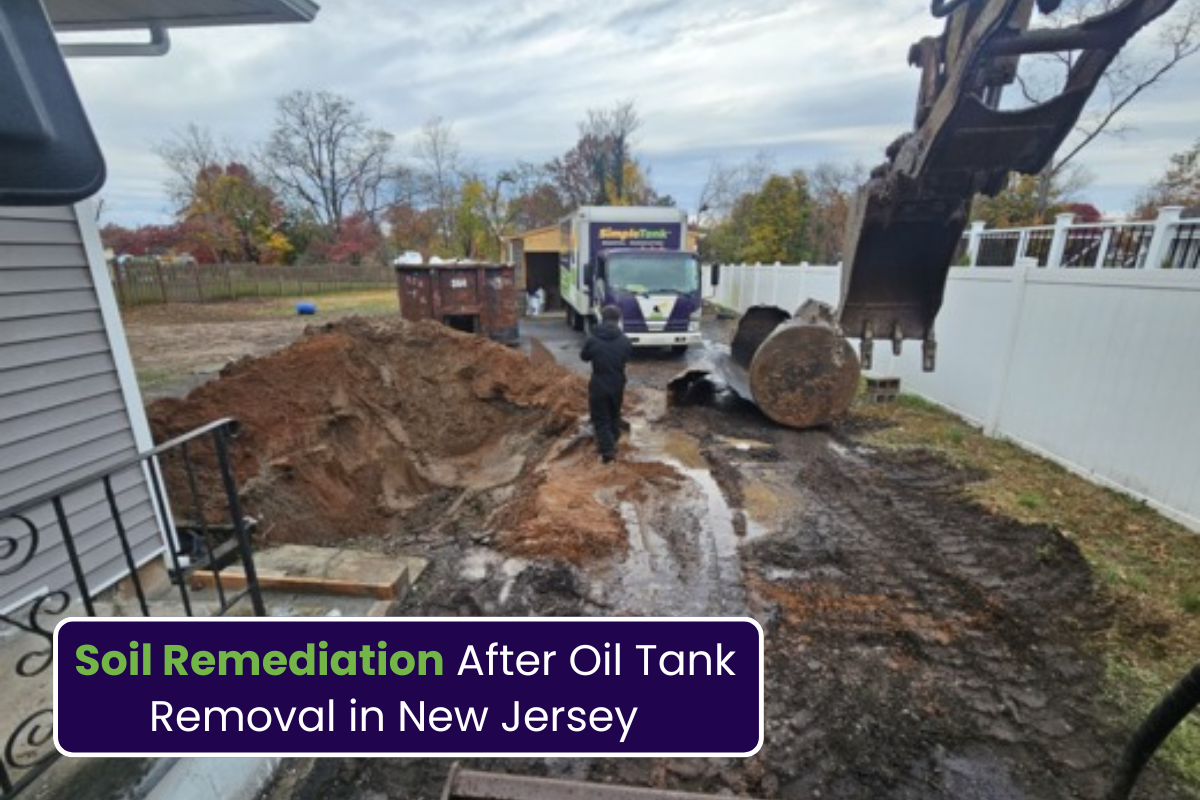
Oil tank leaks are a serious environmental concern for residential and commercial properties across New Jersey. When an underground or aboveground oil tank deteriorates, petroleum products can seep into the surrounding soil, creating contamination that poses risks to human health, groundwater, and property value. That’s why proper soil cleanup after tank removal is not optional—it’s essential.
This in-depth guide explains how contaminated soil is identified, treated, and restored after oil tank removal, while also clarifying regulations, remediation methods, timelines, and costs. The content follows EEAT principles by focusing on technical accuracy, real-world processes, and compliance with environmental standards.
Understanding Soil Contamination After Oil Tank Removal in New Jersey
Soil contamination typically occurs when heating oil or fuel escapes from a damaged tank or supply line. Over time, even a small leak can saturate soil layers, releasing harmful hydrocarbons and volatile organic compounds (VOCs).
In New Jersey, soil contamination is taken seriously because of its dense population and reliance on groundwater. If contamination is discovered during tank removal, remediation becomes mandatory before the property can be sold, refinanced, or redeveloped.
Why Soil Remediation Services Are Critical After Oil Tank Removal
Professional soil remediation services play a crucial role in restoring environmental safety and legal compliance. Leaving contaminated soil untreated can lead to:
-Long-term health risks from vapor intrusion
-Groundwater pollution
-Structural damage to foundations
-Property devaluation and legal liability
Remediation ensures that contaminants are reduced to acceptable levels and the land can be safely reused.
Initial Site Assessment and Soil Testing Process
Before cleanup begins, environmental specialists conduct a detailed site assessment. This includes:
-Visual inspection during tank removal
-Soil sampling from multiple depths and locations
-Laboratory testing to identify contamination type and severity
Testing determines whether petroleum contamination exceeds state action levels and guides the remediation strategy.
Regulatory Oversight and Environmental Compliance in New Jersey
New Jersey has strict environmental regulations governing contaminated soil cleanup. All remediation activities must follow approved procedures, documentation standards, and reporting timelines.
Property owners are required to demonstrate that contamination has been properly addressed before receiving clearance. This regulatory framework protects homeowners while ensuring environmental accountability.
Common Soil Remediation Methods Used After Oil Tank Removal
The remediation approach depends on contamination depth, soil type, and site conditions. Common techniques include:
1. Soil Excavation and Replacement
Contaminated soil is physically removed and disposed of at licensed facilities. Clean soil is then backfilled to restore the area. This is one of the fastest and most reliable methods.
2. Bioremediation
Naturally occurring microorganisms are stimulated to break down petroleum contaminants over time. This method is environmentally friendly and effective for moderate contamination.
3. Soil Vapor Extraction (SVE)
Vapors from volatile contaminants are extracted using vacuum systems. This method is often combined with other treatments for deeper contamination.
4. In-Situ Chemical Treatment
Specialized compounds are injected into the soil to neutralize hydrocarbons. This approach minimizes excavation and site disruption.
Each method is selected based on site-specific data to ensure efficiency and regulatory acceptance.
Mid-Process Insight: Choosing the Right Cleanup Partner
Working with an experienced oil tank removal company is critical because remediation often begins during tank extraction. Coordinated services reduce delays, control costs, and ensure contamination is addressed immediately.
At the mid-stage of many projects, property owners search for reliable soil remediation services in NJ that can handle testing, cleanup, and regulatory coordination under one process, avoiding unnecessary handoffs.
How Long Does Soil Remediation Take?
Timelines vary depending on contamination severity and chosen remediation method:
-Minor contamination: 1–3 weeks
-Moderate contamination: 1–3 months
-Severe contamination: Several months with monitoring
Factors such as weather, soil conditions, and regulatory review can also impact duration.
Cost Factors for Soil Remediation in New Jersey
There is no flat cost for remediation, but pricing is influenced by:
-Volume of contaminated soil
-Depth of contamination
-Disposal and transportation requirements
-Testing and reporting needs
-Selected remediation method
Early detection during oil tank services often reduces cleanup costs by preventing widespread soil saturation.
Impact of Soil Remediation on Property Value
Proper remediation significantly improves property marketability. Clean soil certification reassures buyers, lenders, and insurers that environmental risks have been resolved. In many cases, documented remediation protects homeowners from future liability.
Health and Environmental Benefits of Professional Remediation
Professional cleanup delivers long-term benefits, including:
-Reduced exposure to harmful chemicals
-Protection of groundwater and nearby ecosystems
-Compliance with state environmental laws
-Peace of mind for property owners
Skipping remediation can lead to escalating environmental damage and costly enforcement actions.
How to Prepare Your Property for Soil Remediation
Before remediation begins, property owners should:
-Secure access to the work area
-Remove obstacles like sheds or landscaping
-Inform neighbors if excavation is required
-Review remediation plans and timelines
Preparation helps ensure the process moves smoothly and efficiently.
FAQs
Q1: Is soil remediation mandatory after oil tank removal?
Yes, if contamination exceeds allowable limits, remediation is required to meet environmental regulations.
Q2: Can contaminated soil affect indoor air quality?
Yes, petroleum vapors can migrate into buildings, making cleanup essential for health and safety.
Q3: Who is responsible for remediation costs?
Typically, the property owner is responsible, though insurance or state programs may offer assistance.
Q4: Can I sell my property before remediation is complete?
Most lenders and buyers require remediation and clearance before closing.
Q5: Is excavation always required?
Not always. Some sites qualify for in-situ or biological treatment methods depending on contamination levels.
Summary
Soil contamination after oil tank removal is a serious issue that demands professional attention, regulatory compliance, and proven cleanup methods. From testing and excavation to biological treatment and documentation, every step plays a role in restoring environmental safety and protecting property value.
Simple Tank Services provides comprehensive solutions by combining oil tank removal, environmental testing, and remediation coordination into a streamlined process. With expert handling and regulatory knowledge, property owners can move forward confidently, knowing their land is clean, compliant, and safe for future use.