
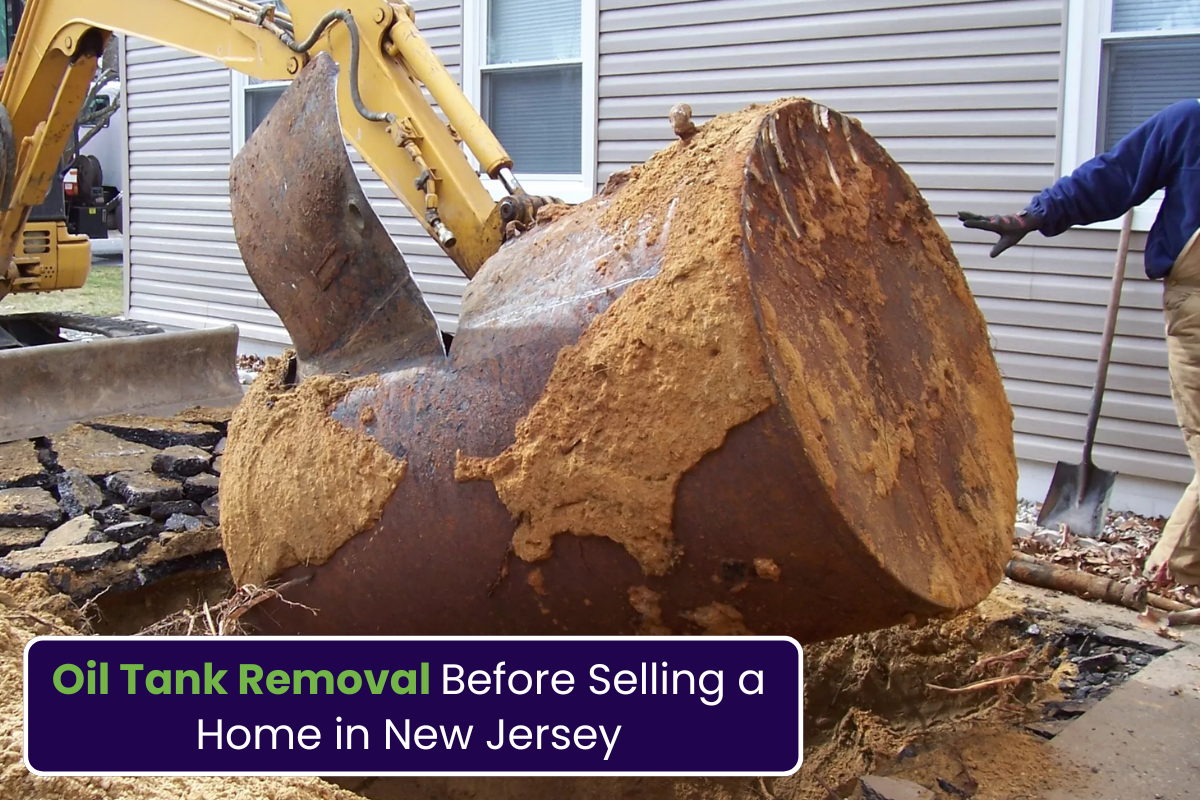
Moving into a new home is exciting. It’s a fresh start, a new neighborhood, and a major investment in your future. But if the property has an old underground or above-ground oil tank, there is one critical step you should not ignore removal.
In many older properties across New Jersey, heating oil tanks were commonly installed decades ago. Over time, these tanks can corrode, leak, and cause environmental contamination. Before you finalize your move, it’s essential to evaluate whether the tank should stay—or go.
If you are considering Oil Tank Removal in New Jersey, understanding the risks and benefits will help you make a smart, informed decision.
1. Prevent Costly Environmental Contamination
One of the biggest risks of keeping an old oil tank is leakage. Underground tanks are especially vulnerable because corrosion often goes unnoticed. When a tank leaks, heating oil seeps into the surrounding soil and potentially groundwater.
New Jersey has strict environmental regulations. Even a small leak can trigger mandatory reporting, soil testing, and remediation requirements. Cleanup costs can quickly escalate into thousands—or even tens of thousands—of dollars.
Removing the tank before moving in eliminates this uncertainty. It protects your investment and ensures your property remains environmentally compliant.
2. Avoid Expensive Future Repairs
Old oil tanks rarely fail suddenly without warning—but the signs are often hidden underground. Corrosion, structural weakening, and internal sludge buildup reduce the tank’s lifespan over time.
If you postpone removal, you may eventually face:
-Soil contamination cleanup
-Foundation damage due to leaking oil
-Insurance claim complications
-Reduced resale value
Professional underground oil tank removal NJ services include safe excavation, proper disposal, and environmental testing. Taking action early prevents future financial stress.
3. Improve Property Value and Marketability
When buying or selling a home in New Jersey, oil tanks can become a deal-breaker. Many buyers hesitate to purchase a property with an aging tank because of contamination risks.
Mortgage lenders and insurance providers may also require inspections or certifications. In some cases, lenders may delay closing until the tank issue is resolved.
Removing the tank before you move in offers several advantages:
-Cleaner home inspection reports
-Higher buyer confidence
-Faster resale process
-Stronger negotiation position
From a real estate perspective, tank removal is an investment—not an expense.
4. Ensure Compliance with State Regulations
New Jersey has strict environmental guidelines regarding oil storage tanks. If contamination is discovered, homeowners are responsible for remediation even if the leak happened years ago.
Hiring a licensed contractor ensures:
-Proper permits are obtained
-Soil testing is conducted
-The tank is disposed of legally
-Documentation is provided
Working with certified NJ oil tank removal services protects you from regulatory penalties and ensures the work meets state standards.
If you plan to live in the home long-term, removing the tank now prevents legal and compliance complications later.
5. Reduce Insurance and Liability Risks
Insurance companies view old oil tanks as high-risk features. Some insurers:
-Refuse coverage on homes with underground tanks
-Increase premiums significantly
-Exclude pollution-related damage
If a leak occurs after you move in, you could be personally liable for cleanup costs if coverage is denied.
By scheduling Oil Tank Removal in New Jersey before occupying the property, you eliminate a major liability risk and make it easier to secure homeowner’s insurance at reasonable rates.
6. Create Peace of Mind Before Moving In
Moving is stressful enough without hidden environmental concerns. Removing an oil tank before you settle in gives you confidence that your property is safe and secure.
A professional contractor will:
-Locate and inspect the tank
-Obtain necessary permits
-Safely remove and dispose of the tank
-Conduct soil testing if required
-Provide compliance documentation
This process ensures your new home is clean, compliant, and ready for a fresh start.
If contamination is discovered, experienced oil tank abandonment NJ specialists can guide you through remediation steps efficiently and professionally.
Understanding the Oil Tank Removal Process
Before deciding, it helps to understand what the removal process involves.
Step 1: Tank Inspection
The contractor identifies the tank location and condition.
Step 2: Permit Acquisition
Local permits are secured in accordance with New Jersey environmental regulations.
Step 3: Safe Extraction
Fuel residue is pumped out, and the tank is excavated carefully.
Step 4: Soil Testing
Samples are tested for contamination.
Step 5: Site Restoration
The excavation area is backfilled and restored properly.
Professional residential oil tank removal NJ companies ensure every step meets environmental and safety standards.
Signs an Oil Tank Should Be Removed Immediately
If you notice any of the following, removal should not be delayed:
-Oil odor inside or outside the home
-Unexplained soil discoloration
-Rusted or deteriorated tank walls
-Increased heating inefficiency
-Unknown tank age (20+ years old)
Older tanks are far more likely to fail. Proactive removal is often more affordable than emergency remediation.
Why New Jersey Homeowners Face Higher Risks
New Jersey has dense residential development and strict environmental oversight. Soil and groundwater contamination are taken seriously due to public health concerns.
Properties with leaking oil tanks may require:
-NJDEP case management
-Licensed Site Remediation Professional (LSRP) oversight
-Soil excavation and replacement
-Groundwater monitoring
-Avoiding these complications is one of the strongest reasons to remove a tank before moving in.
FAQs
Q1. Is oil tank removal mandatory in New Jersey?
It is not always mandatory, but if a tank is leaking or inactive, removal is strongly recommended to avoid environmental liability.
Q2. How much does oil tank removal cost in New Jersey?
Costs vary depending on tank size, location, and soil condition. Removal is significantly less expensive than contamination cleanup.
Q3. How long does the removal process take?
Most residential removals are completed within one to two days, depending on site conditions.
Q4. Can I sell my home with an old oil tank?
Yes, but buyers may request removal or environmental certification before closing.
Q5. What happens if contamination is found?
If contamination is detected, remediation steps will be required under state environmental guidelines.
Final Thoughts
Moving into a new home should feel secure—not uncertain. An aging oil tank introduces environmental, financial, and legal risks that can follow you for years.
Taking action before you move in protects your investment, simplifies insurance coverage, and increases long-term property value. It’s a strategic decision that saves money and eliminates stress.
If you’re planning a move and want a safe, compliant solution, professional removal ensures everything is handled correctly from start to finish.